

The National Institute for Medical Research (NIMR) in Tanzania, has been recognized as a leading contributor to internationally competitive health research following its strong performance in...
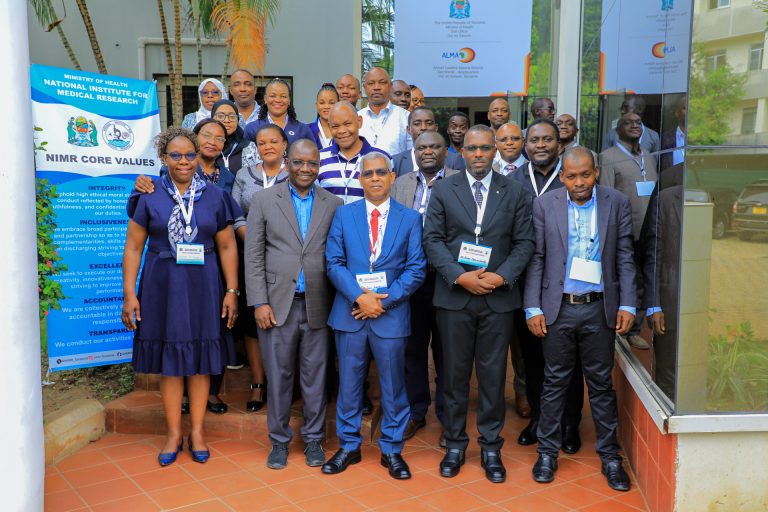
Taasisi ya Taifa ya Utafiti wa Magonjwa ya Binadamu (NIMR) leo, tarehe 8 Januari 2026, imeendesha mkutano wa majadiliano ya sera uliowakutanisha watafiti, watunga sera, watoa maamuzi wa sekta ya afya...
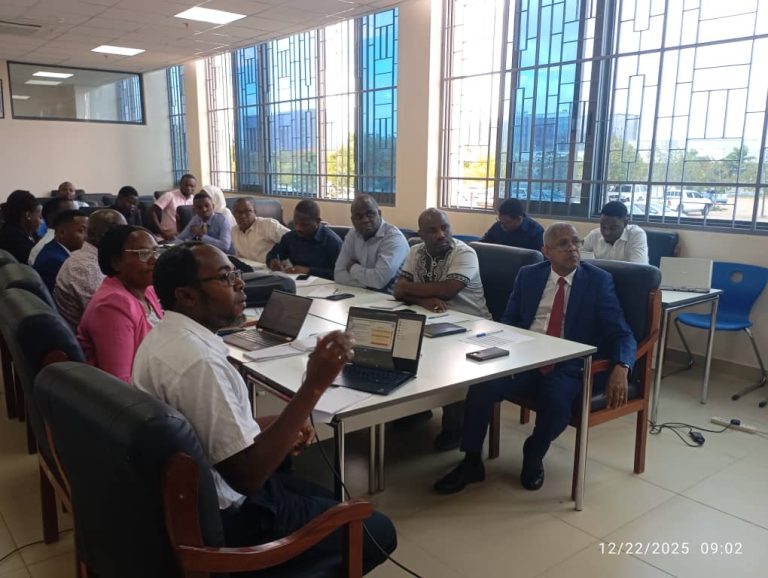
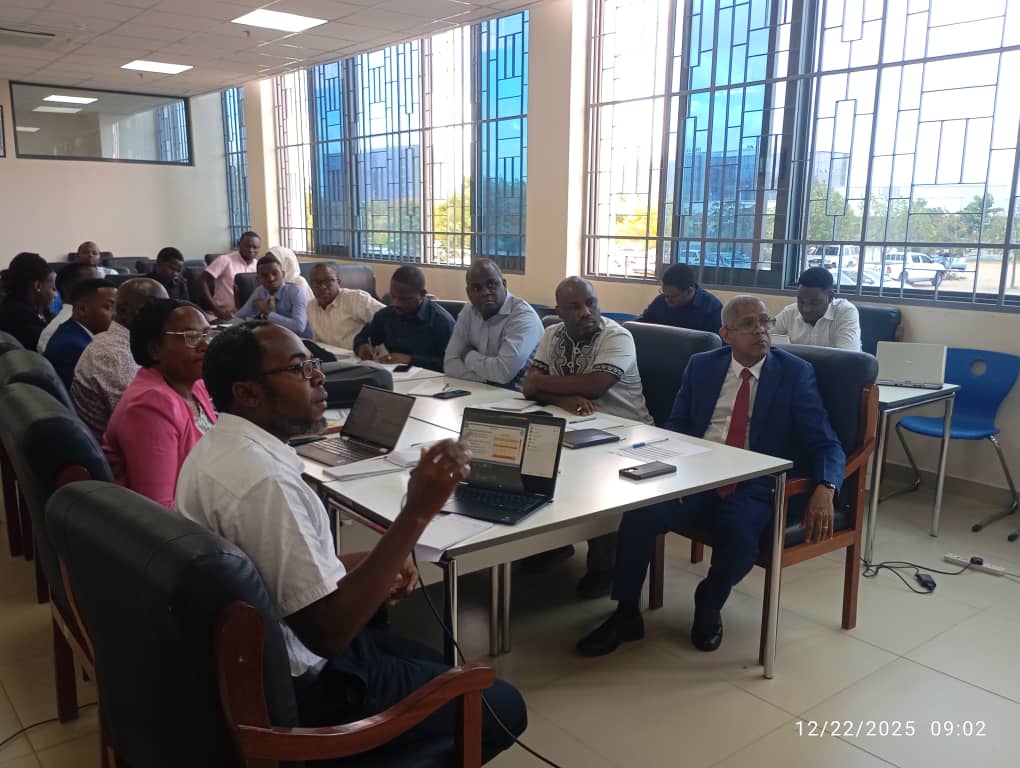
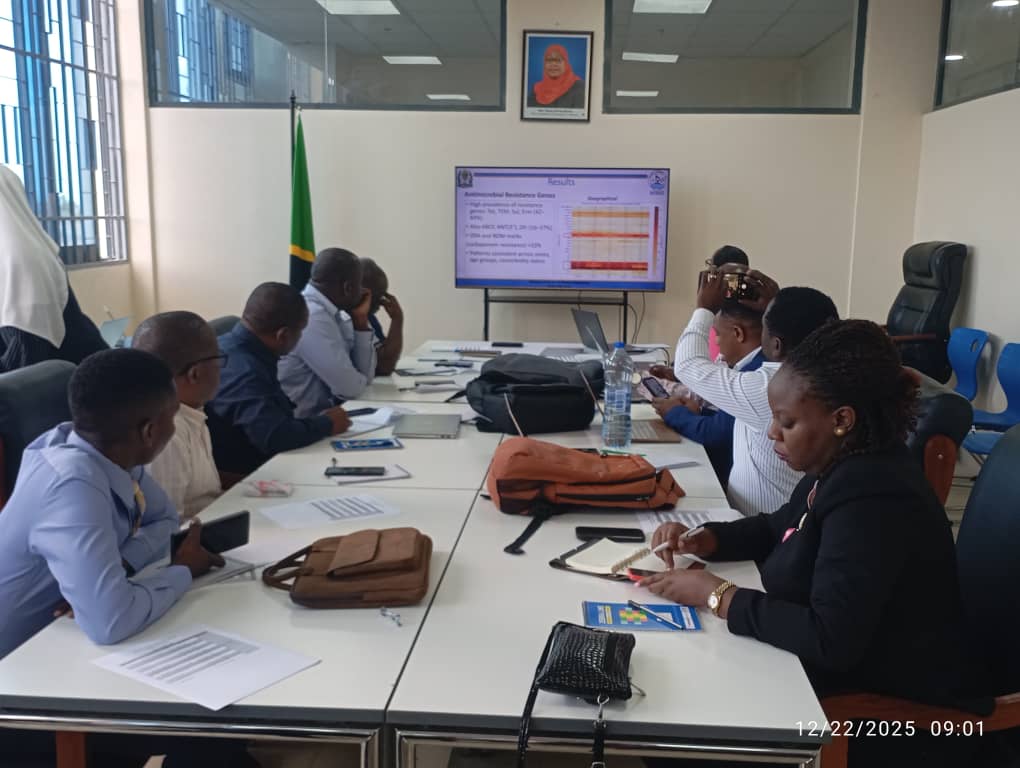
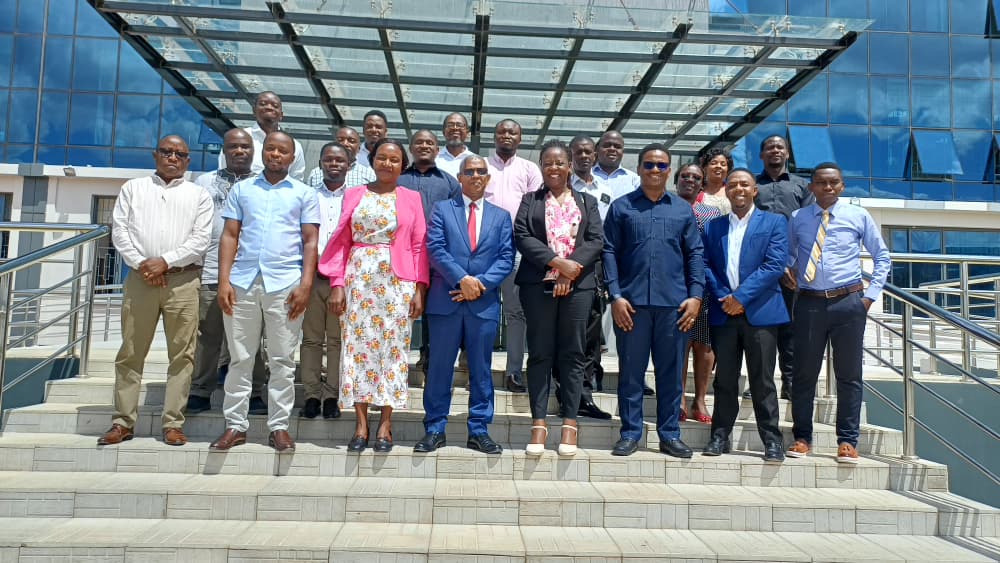
The National Institute for Medical Research (NIMR) disseminated on 22nd December 2025 research findings from the project titled Genomic characterization of Acute Respiratory Infections (ARI) Pathogens...

A recent study presented at the 7th Africa Continental World Antimicrobial Awareness Week (WAAW) event has unveiled the “environmental resistome” in Tanzania. Using advanced genomic tools to analyse...

NIMR Disseminates Impactful Research Findings at the 7th Africa Continental World AMR Awareness Week
In a milestone event for the continent, Tanzania hosted the 7th Africa Continental World Antimicrobial Resistance (AMR) Awareness Week (WAAW) at the Hyatt Regency Hotel in Dar es Salaam from 2nd to...
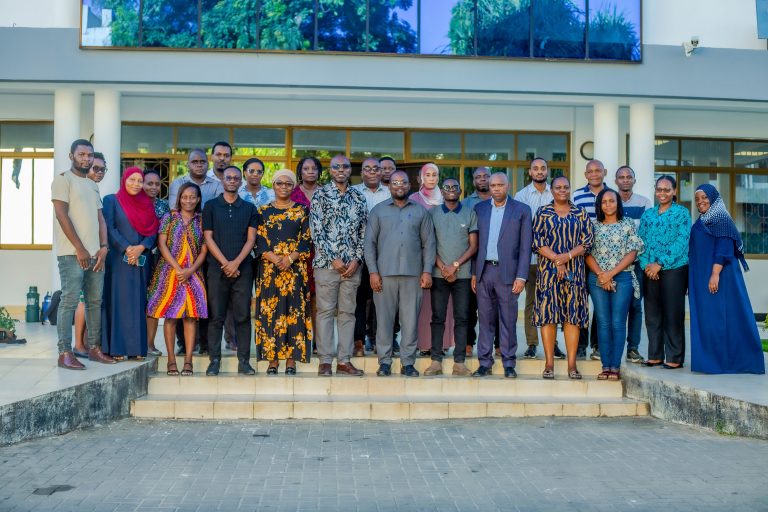
Taasisi ya Taifa ya Utafiti wa Magonjwa ya Binadamu (NIMR), kupitia Kituo chake cha Muhimbili, imeendesha mafunzo maalumu ya uandishi wa andiko la kitafiti kwa watumishi wa afya kutoka Hospitali ya...
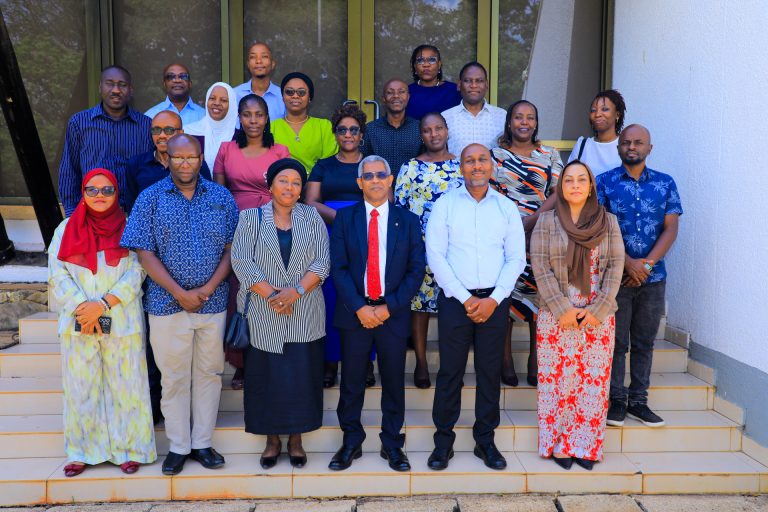
The National Institute for Medical Research (NIMR) has launched a specialized training program to members and secretariats of Institutional Review Boards (IRBs), aimed at strengthening national...
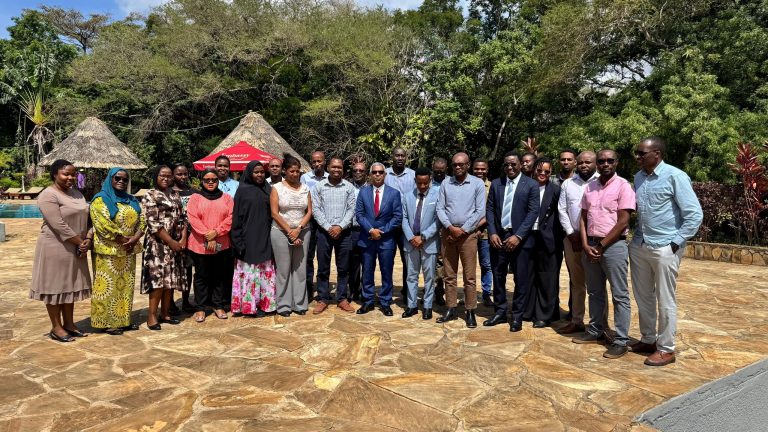
The National Institute for Medical Research (NIMR), in collaboration with the Tanzania Medicines and Medical Devices Authority (TMDA), on 24th November 2025 conducted a specialized capacity-building...
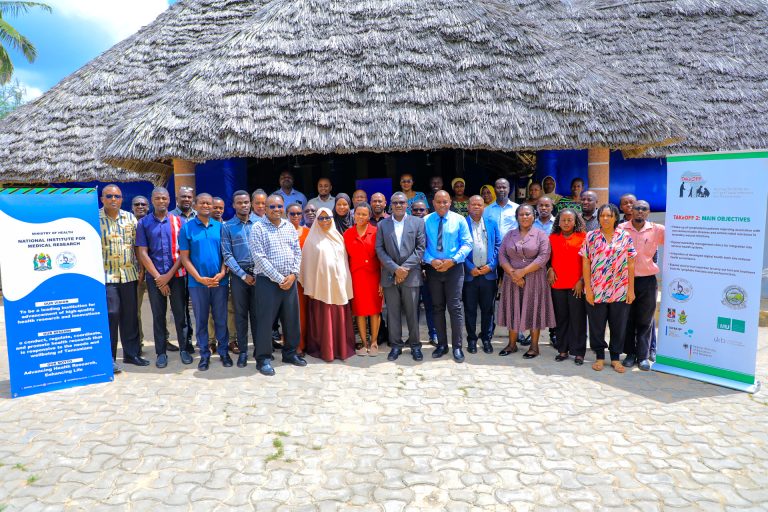
Taasisi ya Taifa ya Utafiti wa Magonjwa ya Binadamu (NIMR), kupitia Mradi wa TAKeOFF awamu ya pili tarehe 20/11/2025 imefanya mkutano wa pamoja na kamati za afya za Ofisi ya Mganga Mkuu wa Mkoa wa...