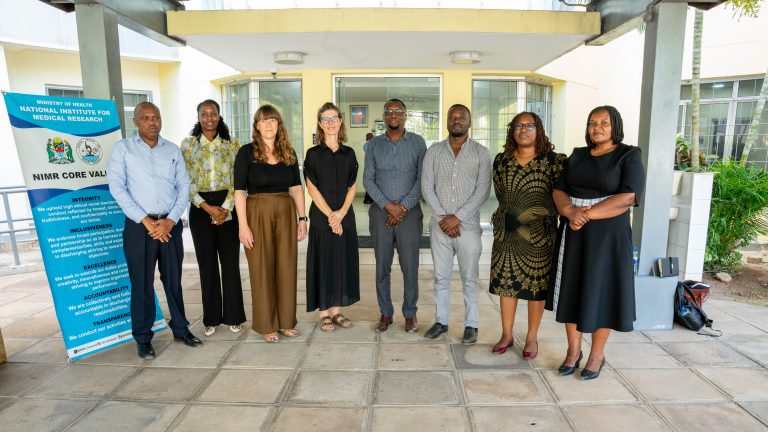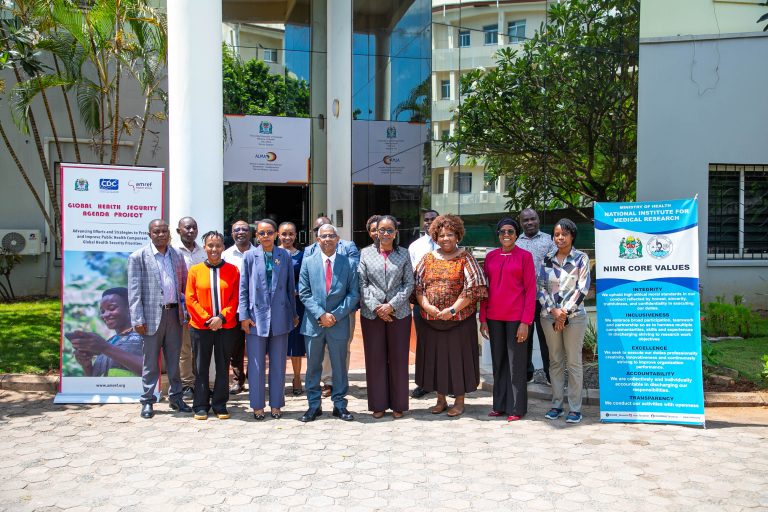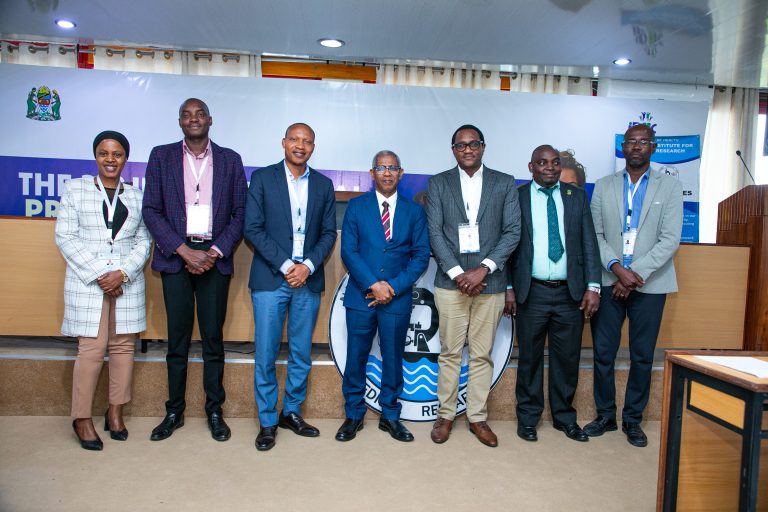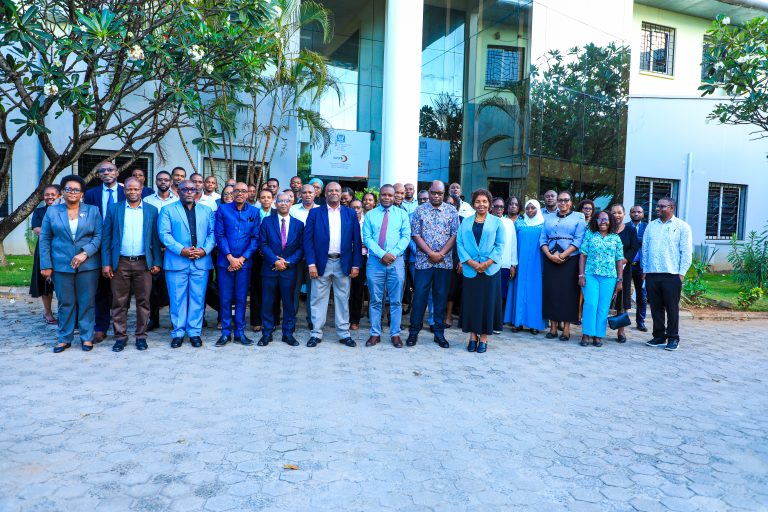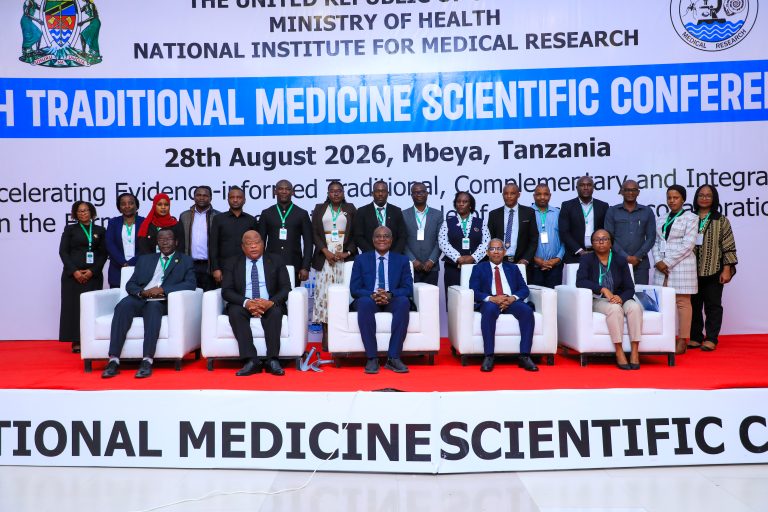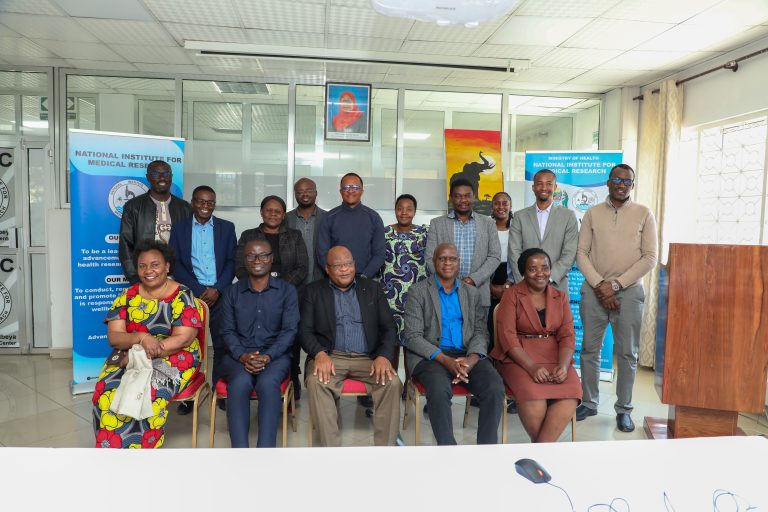
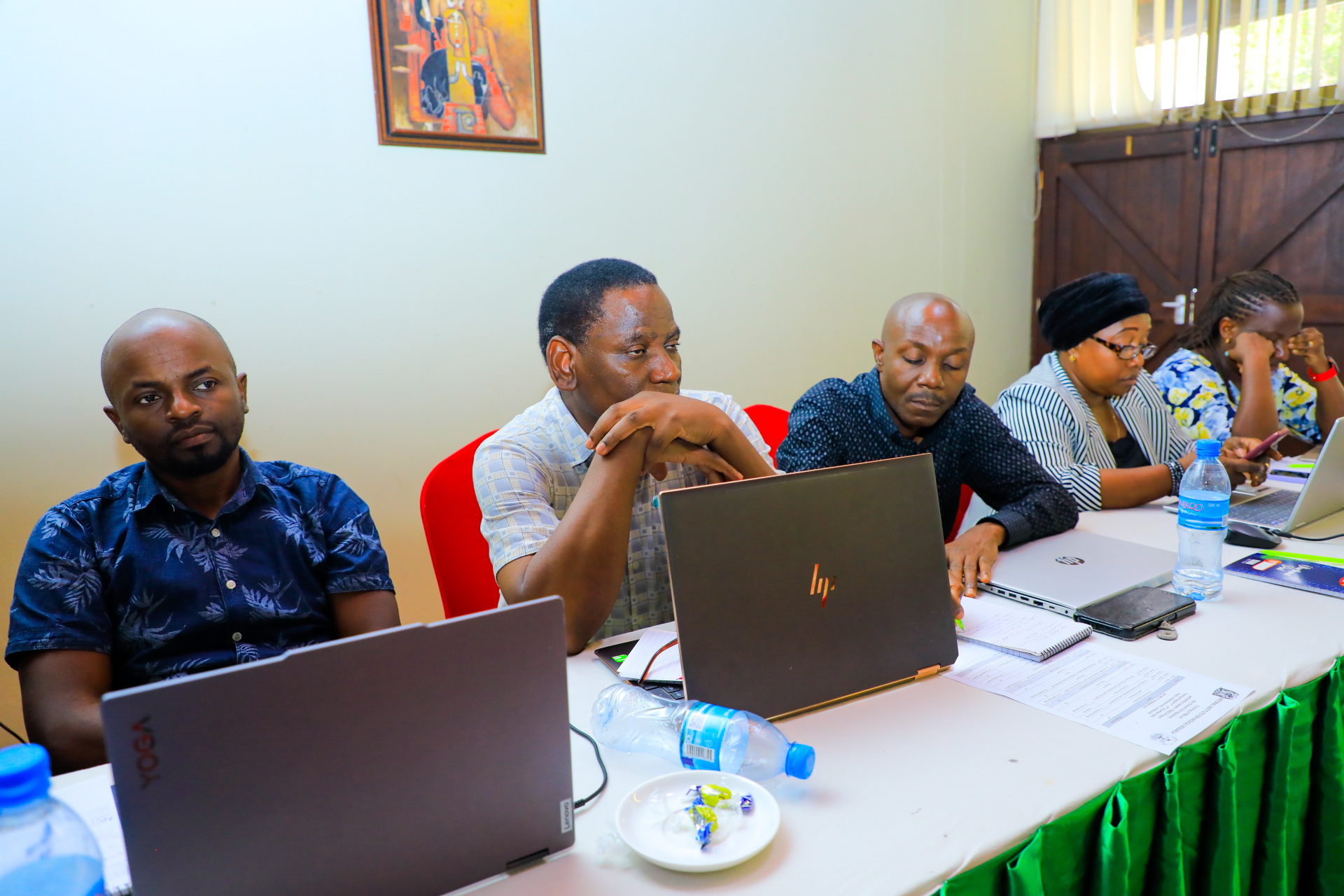
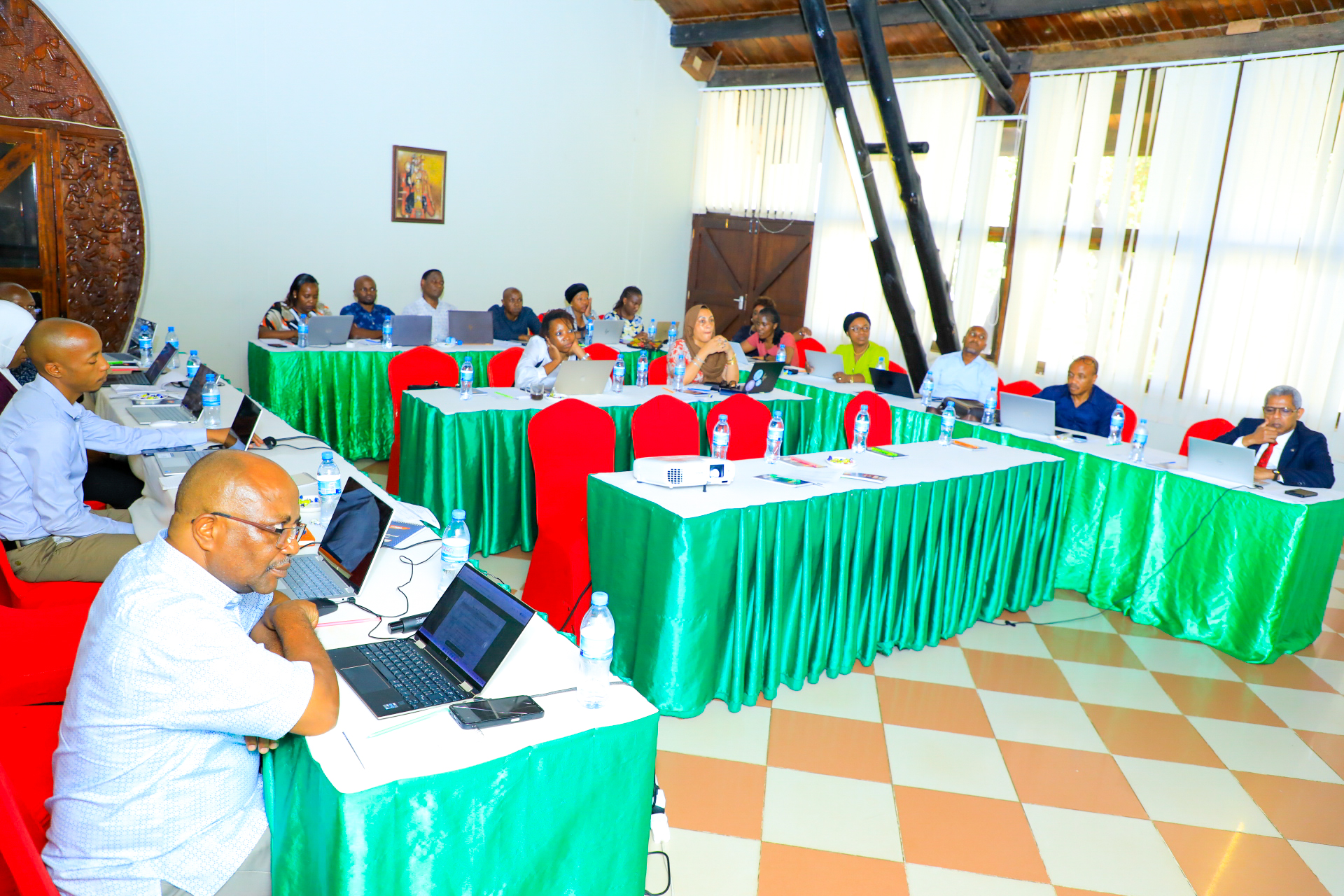
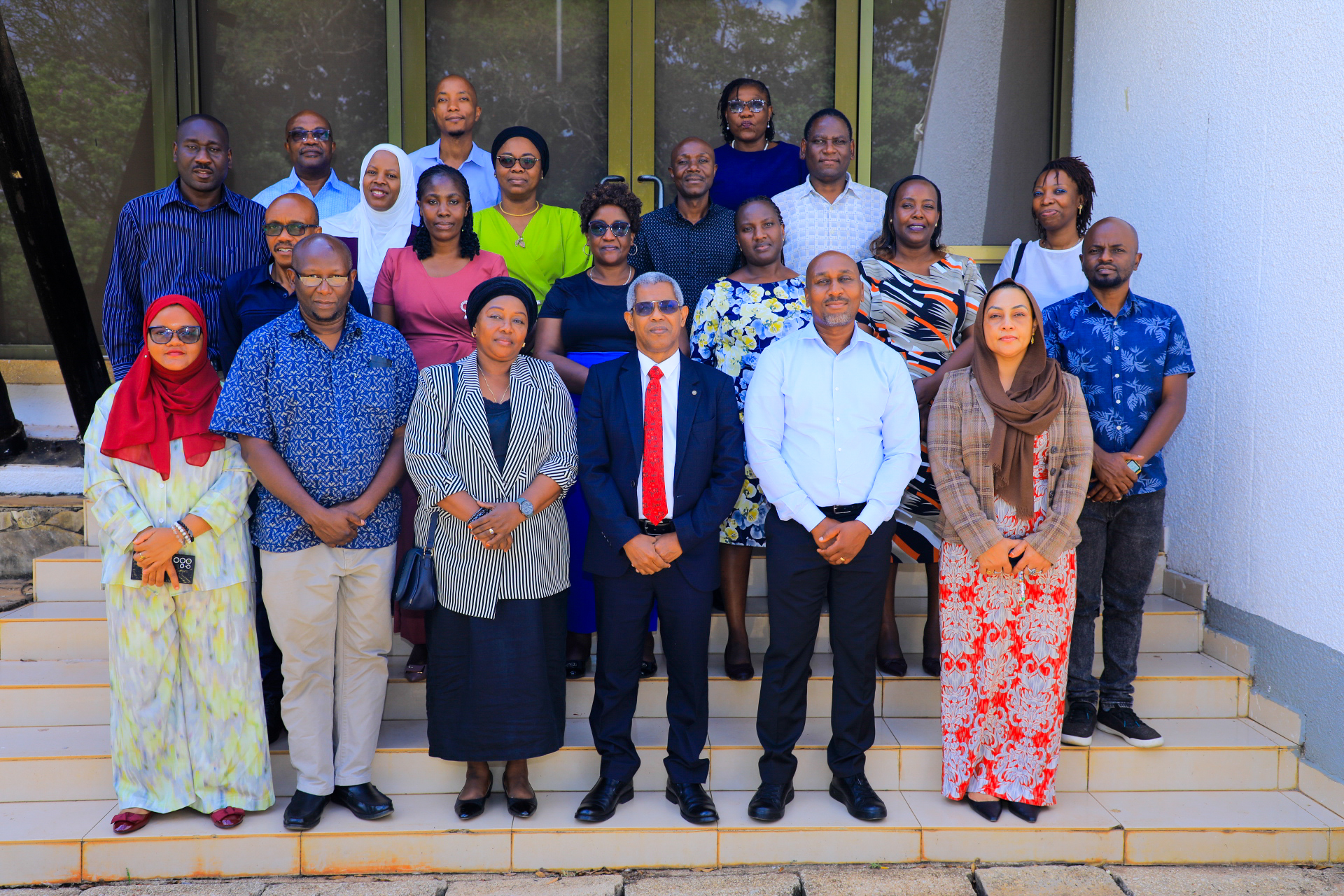
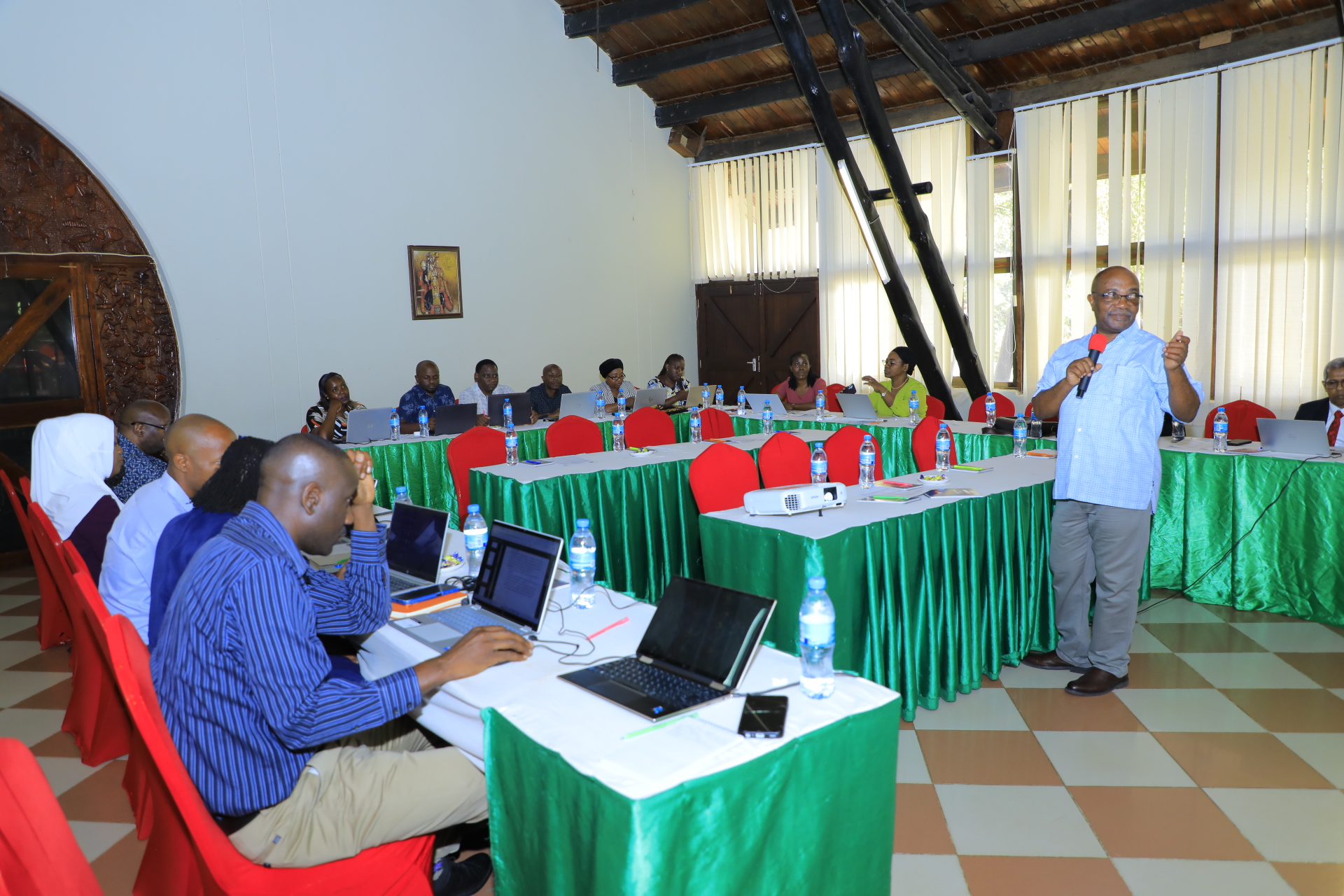
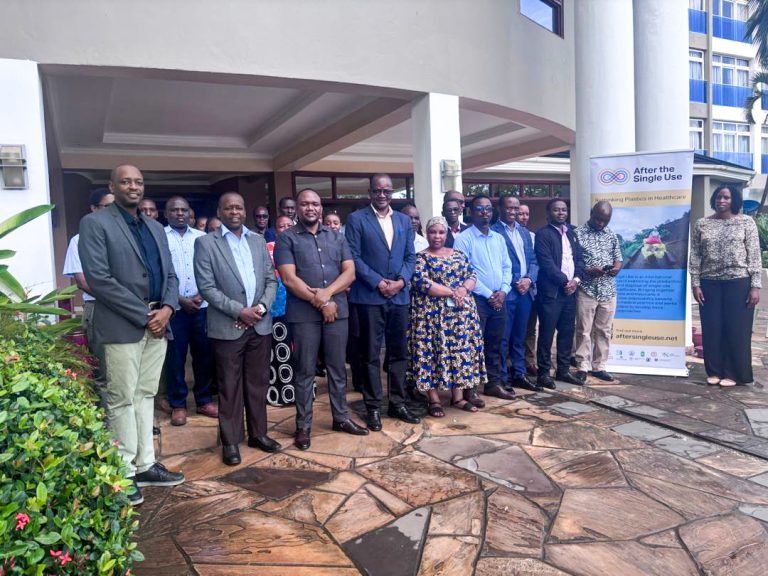
The National Institute for Medical Research (NIMR) has launched a specialized training program to members and secretariats of Institutional Review Boards (IRBs), aimed at strengthening national capacity to oversee clinical trials in line with the highest scientific and ethical standards. This is the second training after the first one which was conducted to clinical trial researchers from 24th to 26th November 2025 as part of the similar initiative of the project.
Speaking during the official opening of the training, NIMR Director General, Prof. Said Aboud, said the initiative forms part of the national strategy to enhance the country’s clinical research framework at a time when rapid technological advancements and the growth of health research demand robust ethical and regulatory systems. He emphasized that the training is designed to enhance the efficiency of IRBs in receiving, analyzing, and reviewing research proposals involving human participants, while ensuring that rights, safety, and welfare of trial participants are fully protected.
Providing an overview of the training, Dr. Obadia Bishoge, Coordinator of the TRACE Project and Deputy Secretary of the National Health Research Ethics Committee (NatHREC), explained that the initiative is part of the implementation of the TRACE (Trial Regulation and Clinical Ethics Optimization) Project, which is being carried out in Tanzania, Rwanda, Zimbabwe, and Nigeria with funding from the Gates Foundation. He noted that the project aims to transform Africa’s currently fragmented and largely manual ethics and regulatory systems into harmonized, efficient, and digitally supported processes.
Dr. Bishoge further outlined that TRACE seeks to build capacity for national ethics committees and regulatory agencies, harmonize policies and guidelines to align with regional and international standards, strengthen digital systems such as RIMS and NREIMS to streamline submissions and reviews, and enhance clinical trial oversight through improved GCP and GCLP monitoring, reporting, and inspections. He added that the project also intends to support IRBs in securing accreditation and strengthening the financial sustainability of the ethics review model.
Prof. Aboud further noted that Tanzania’s ethics system operates through coordinated roles of the NIMR Medical Research Coordinating Committee (MRCC), NatHREC, and delegated accredited IRBs at institutional levels, ensuring that ethical oversight is effectively implemented from institutional to national platform.
The two-day training, organized by NIMR in collaboration with TMDA, focuses on strengthening participants’ understanding of ethical issues in clinical research, identifying and mitigating potential risks, ensuring fair benefit-sharing, preventing research misconduct and improving overall quality in the conduct of clinical trials. Participants were drawn from various IRBs across the country and were taken through key thematic areas including Overview of Clinical Trial Regulation and Oversight in Tanzania, Accreditation Requirements and Processes for IRECs/IRBs, Workflow Optimization to Reduce Review and Approval Timelines; Effective Review of Clinical Trial Protocols: Ethical and Scientific Considerations, NatHREC SOPs, and the Handling of Notifications, SAE, and SUSAR Reports.
Participants are expected to return to their institutions with enhanced knowledge that will improve integrity, transparency, and efficiency within the national clinical trial ecosystem. This training marks a significant milestone in building a trustworthy and globally competitive clinical trial environment in Tanzania.
Section Title
NIMR Disseminates Impactful Research Findings at the 7th Africa Continental World AMR Awareness Week
Lorem ipsum dolor sit amet, consectetur adipiscing elit. Ut elit tellus, luctus nec ullamcorper mattis, pulvinar dapibus leo.