
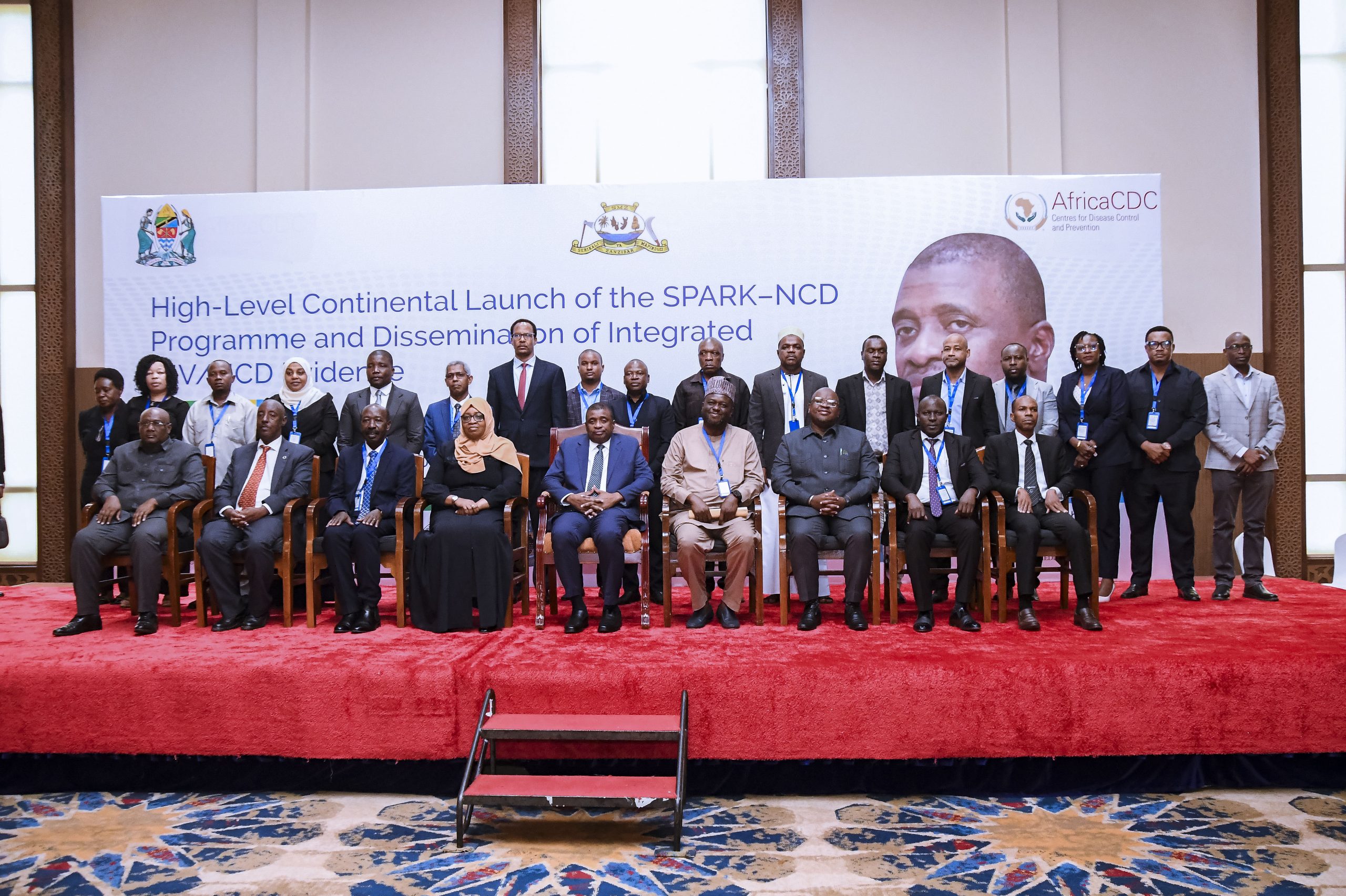
New evidence from a decade of research led by Tanzania’s National Institute for Medical Research (NIMR) on integrated HIV and non-communicable disease (NCD) care is driving renewed efforts across Africa to reform health systems, as leaders prepare for the launch of the SPARK-NCD initiative to strengthen data and service integration.
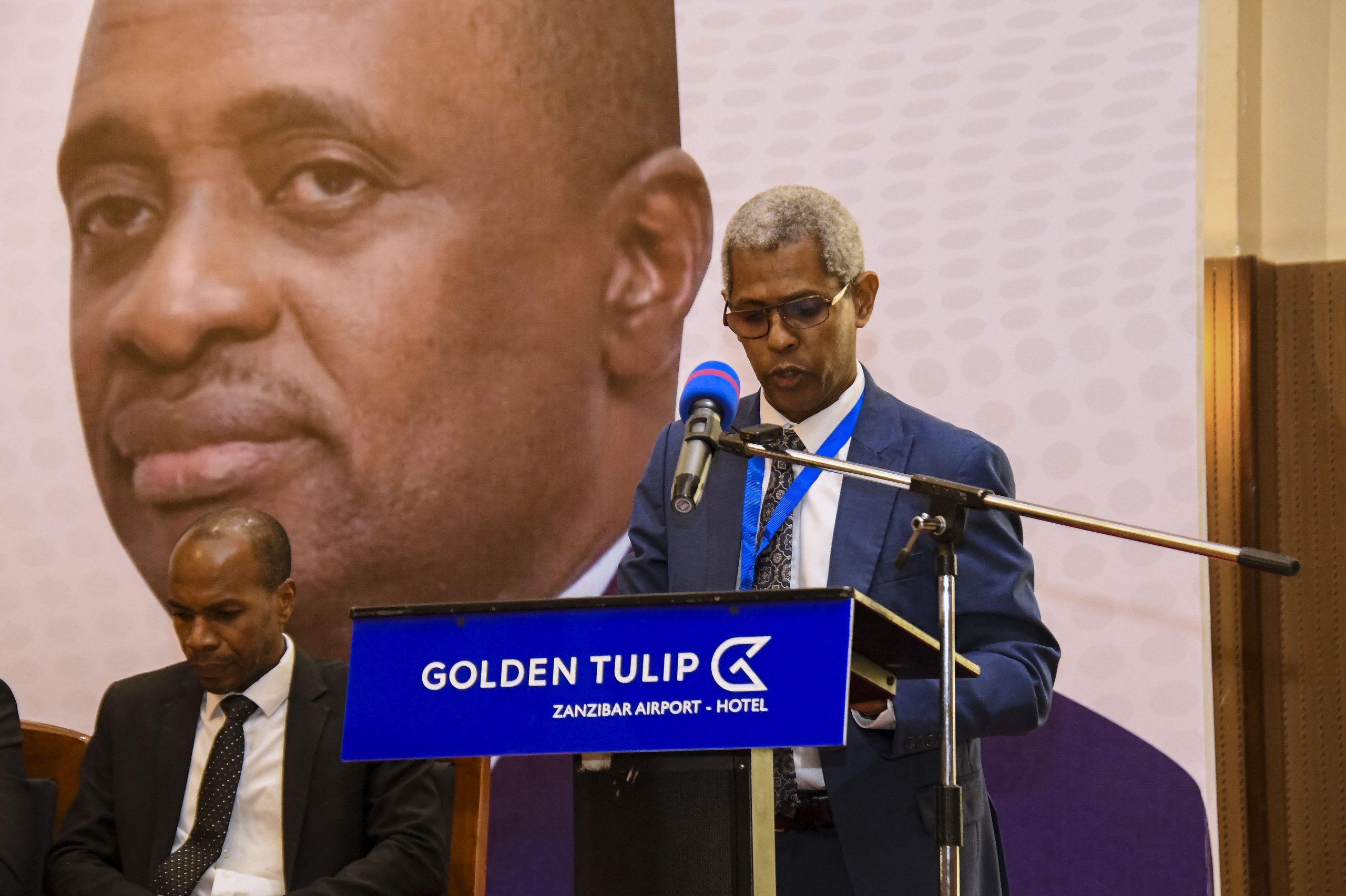
Speaking at the high-level dissemination of integrated HIV and NCD evidence, Zanzibar Second Vice President, Suleiman Hemed Abdulla, representing Dr Hussein Ali Mwinyi, President of the Zanzibar Revolutionary Government and Chairman of the Revolutionary Council, called for stronger collaboration among health experts to improve healthcare outcomes across Africa.
He noted that people living with HIV are increasingly affected by non-communicable diseases such as cardiovascular conditions, diabetes, cancer and mental health disorders, underscoring the need for more coordinated care, while emphasizing the importance of research in guiding effective service delivery.
He also commended the efforts of both the Government of the United Republic of Tanzania and the Zanzibar Revolutionary Government in tackling HIV and non-communicable diseases.
Evidence from studies led by NIMR, including the INTE-COMM trial in Tanzania and Uganda, shows that integrated, community-based care can expand access to treatment while maintaining outcomes comparable to facility-based services.
The findings further show that bringing services closer to communities reduces transport costs, waiting times and stigma, while easing pressure on health facilities and informing policy discussions across Africa on integrated HIV and NCD services.
Representing the Chief Medical Officer from the Ministry of Health Tanzania, NIMR Director General Prof. Said Aboud said the initiative aims to ensure research findings translate into tangible benefits for communities.
“Integrated service delivery allows patients with multiple conditions to receive care more efficiently, reducing hospital visits and healthcare costs, while also contributing to reduced deaths and the growing burden of HIV and non-communicable diseases, particularly among vulnerable populations,” he said.
The SPARK-NCD initiative, led by Africa CDC, seeks to strengthen disease surveillance and support data-driven decision-making across African countries. Discussions also emphasized the need to improve NCD surveillance, integrate services, and strengthen Africa-led, data-driven health solutions.
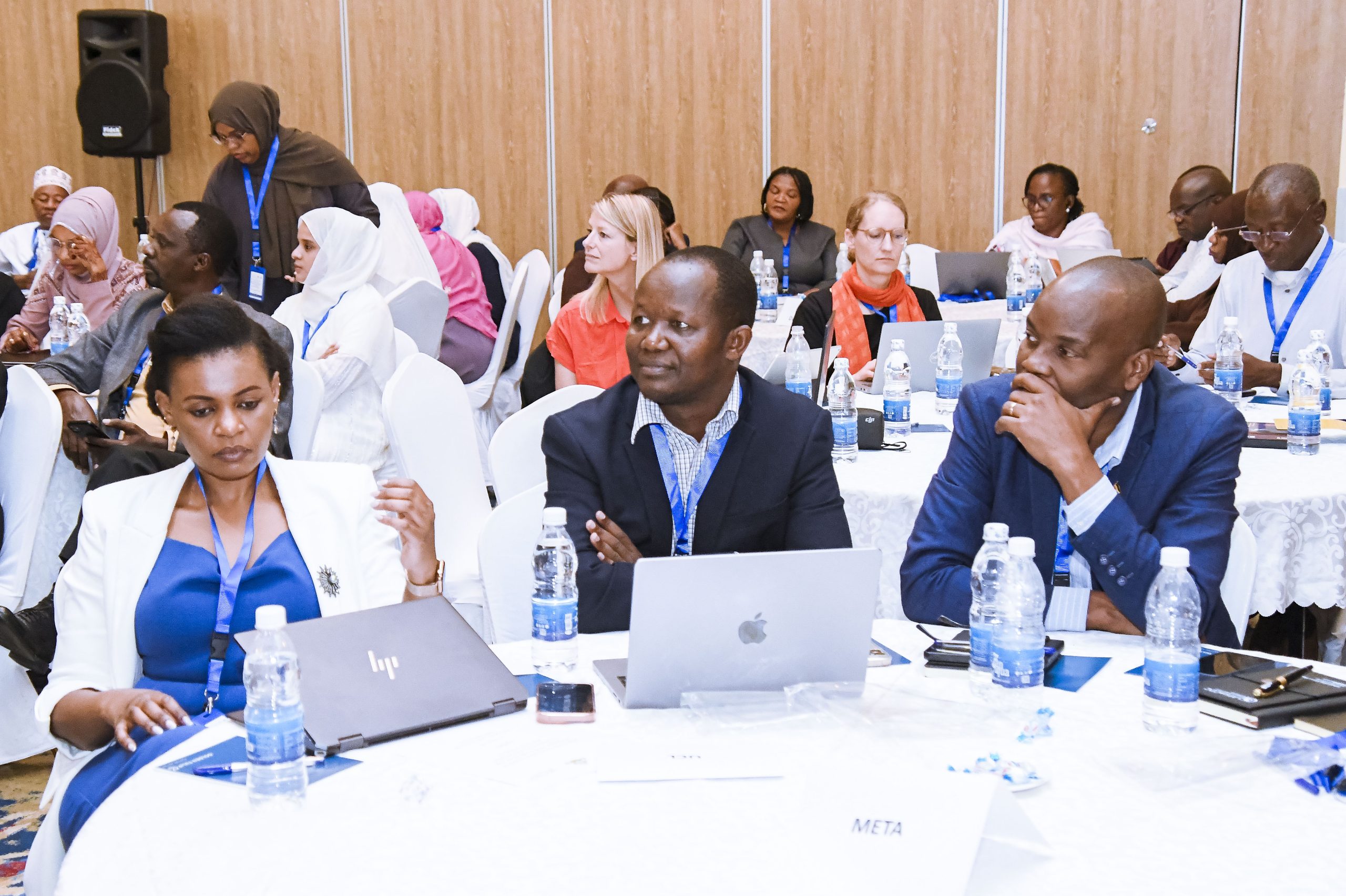
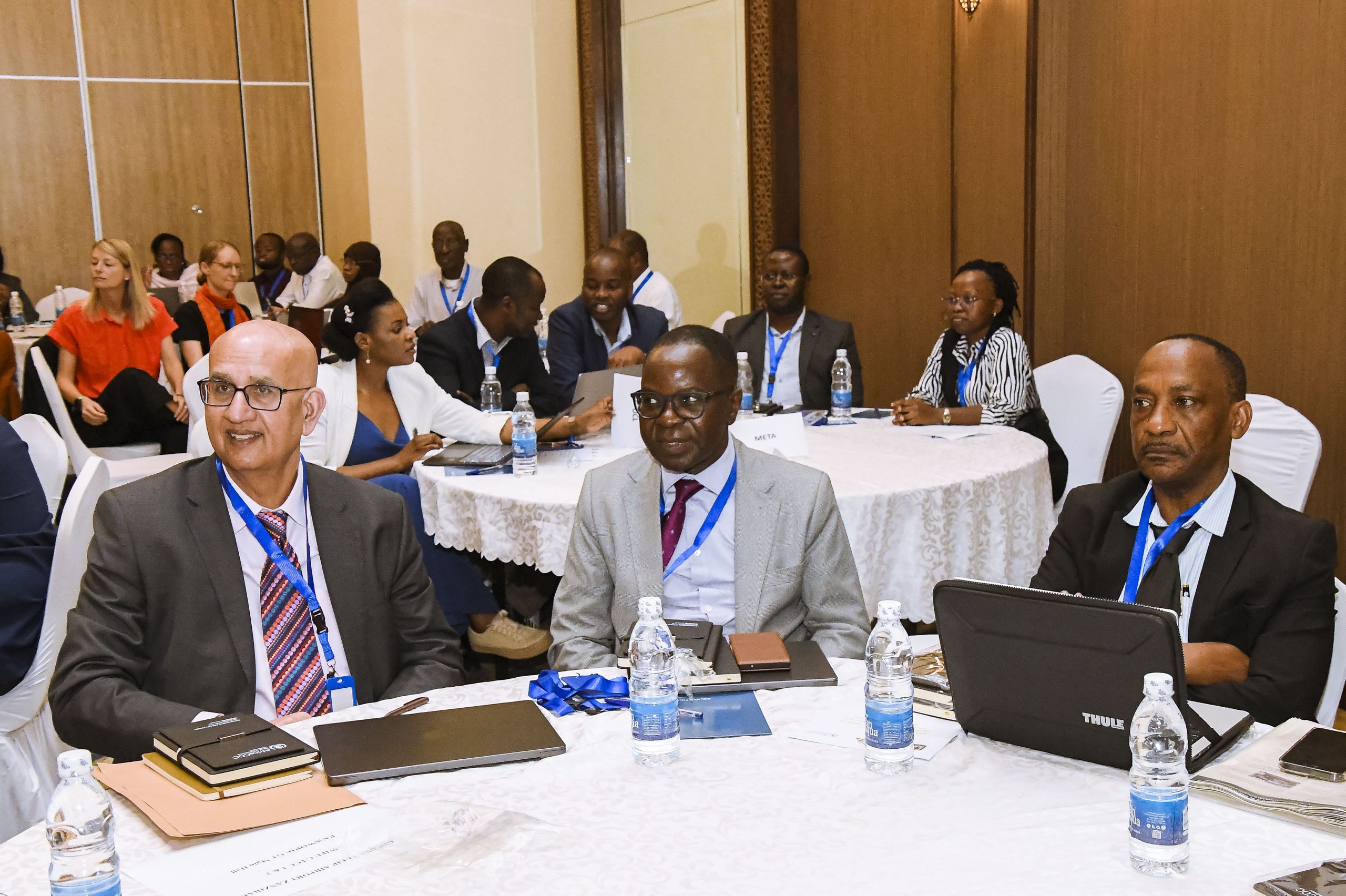
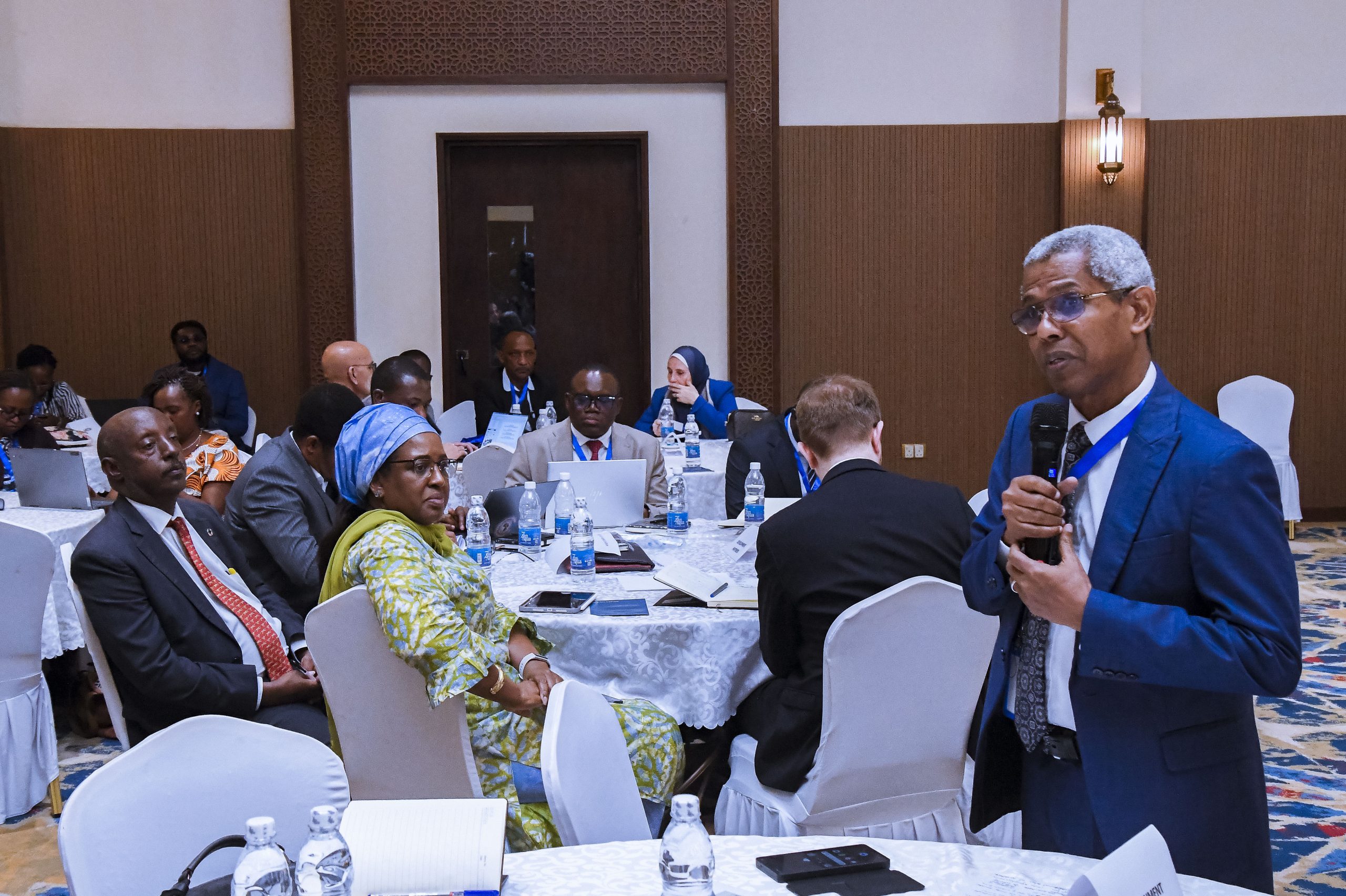
The two-day continental meeting, held from March 27–28, 2026, at the Golden Tulip Hotel in Zanzibar brought together Ministers of Health, policymakers, researchers and development partners from across Africa.
With growing political commitment and locally generated evidence from institutions such as NIMR, experts say that integrating HIV and NCD services could transform healthcare systems across Africa, improving access, reducing costs and saving lives.

Lorem ipsum dolor sit amet, consectetur adipiscing elit. Ut elit tellus, luctus nec ullamcorper mattis, pulvinar dapibus leo.