The National Institute for Medical Research (NIMR) is strengthening Tanzania’s ability to detect and monitor pathogens responsible for infectious diseases through advanced training on 16S/Internal mkTranscribed Spacer (ITS) ribosomal RNA sequencing for laboratory scientists from NIMR and the National Public Health Laboratory (NPHL).
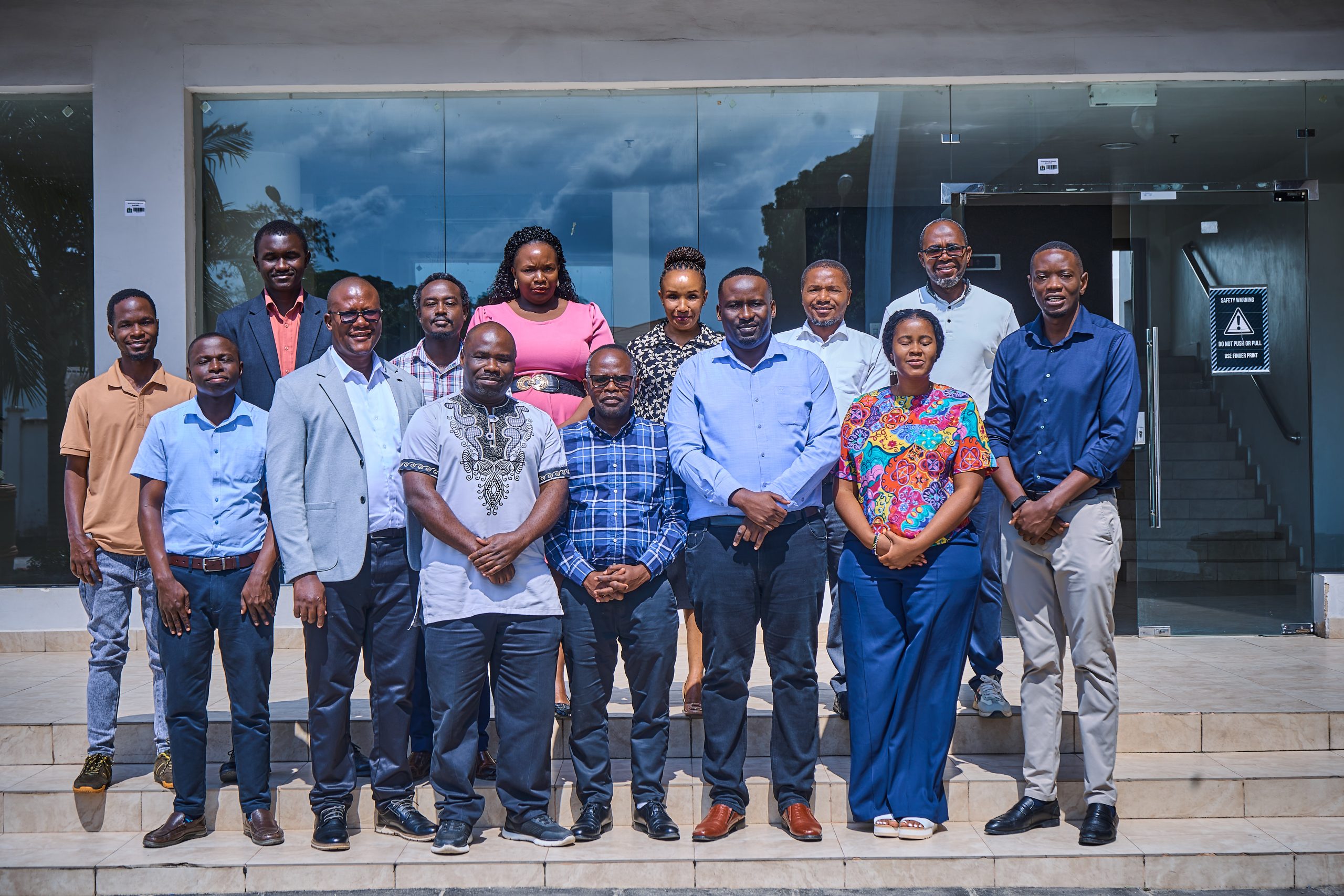
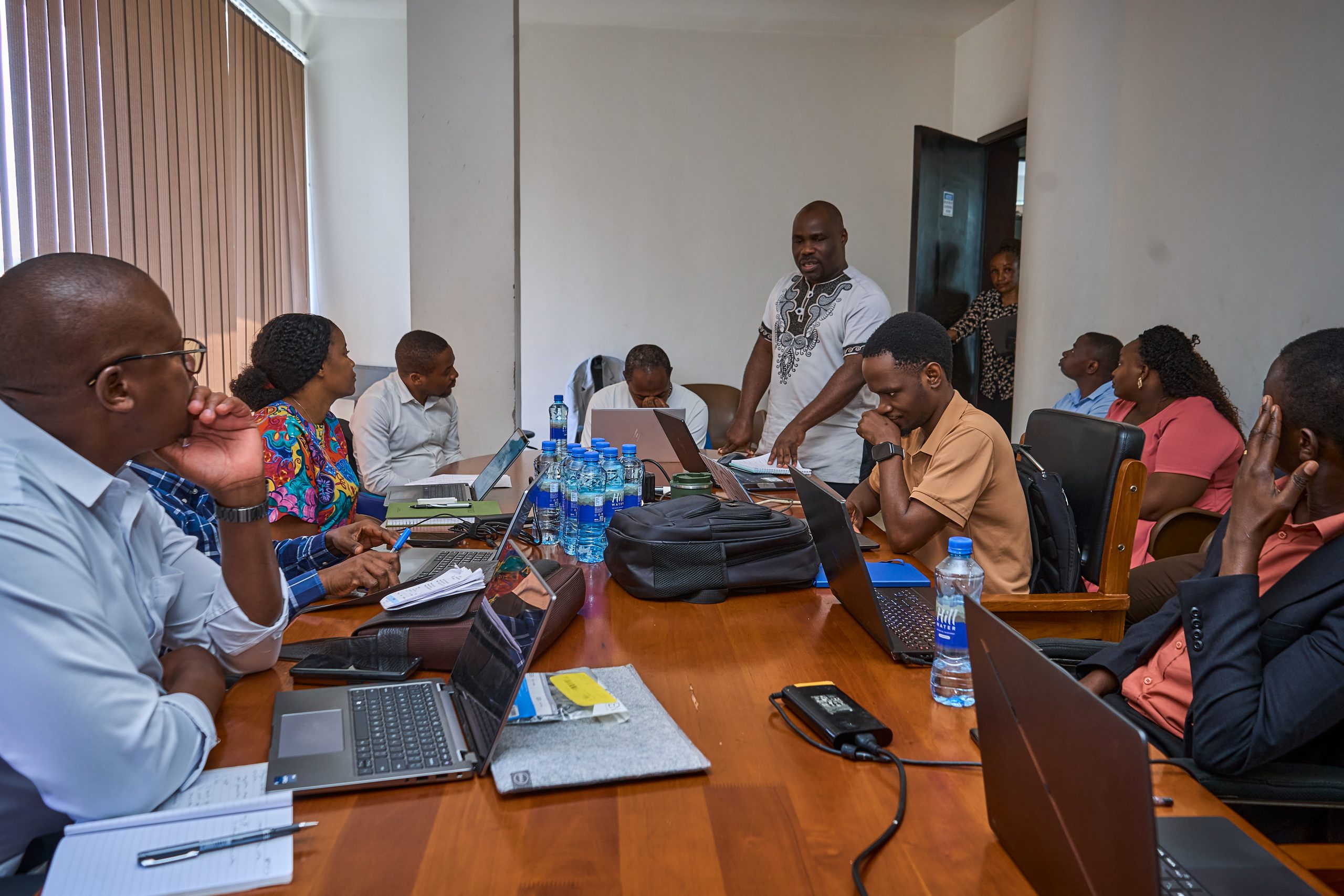
The two-week training commenced on 13th July 2026 at the NPHL laboratories in Mabibo and is being implemented under the Tanzania Global Health Security Priorities – Advancing Efforts and Strategies to Protect and Improve Health Security (TAGHESP) initiative. The training focuses on building laboratory expertise in advanced genomic technologies to improve the detection and surveillance of pathogens causing acute febrile illnesses (AFI) and acute respiratory infections (ARI).
Speaking during the official opening of the training, Acting NPHL Director, Mr Seif Abdul, emphasised the importance of strengthening the use of genomic sequencing technologies particularly the 16S/ITS sequencing approach in detecting pathogens responsible for ARI and AFI. He noted that this expertise will enhance ongoing scientific work under the multi-pathogen study and establish a strong foundation for future research initiatives.
Mr Abdul further commended the CDC Tanzania for its continued support in strengthening laboratory systems for pathogen detection and advancing modern disease surveillance approaches in the country.
Representing the NIMR Principal Investigator (PI), Dr Misago Seth, he highlighted the importance of the training in enhancing the technical skills of laboratory scientists from NIMR and NPHL in applying advanced genomic technologies. The study team underscored the importance of incorporating metagenomics sequencing into the testing portfolio for multipathogen investigations particularly as Tanzania continues to expand surveillance of ARI and AFI beyond SARS-CoV-2 and Influenza virus.
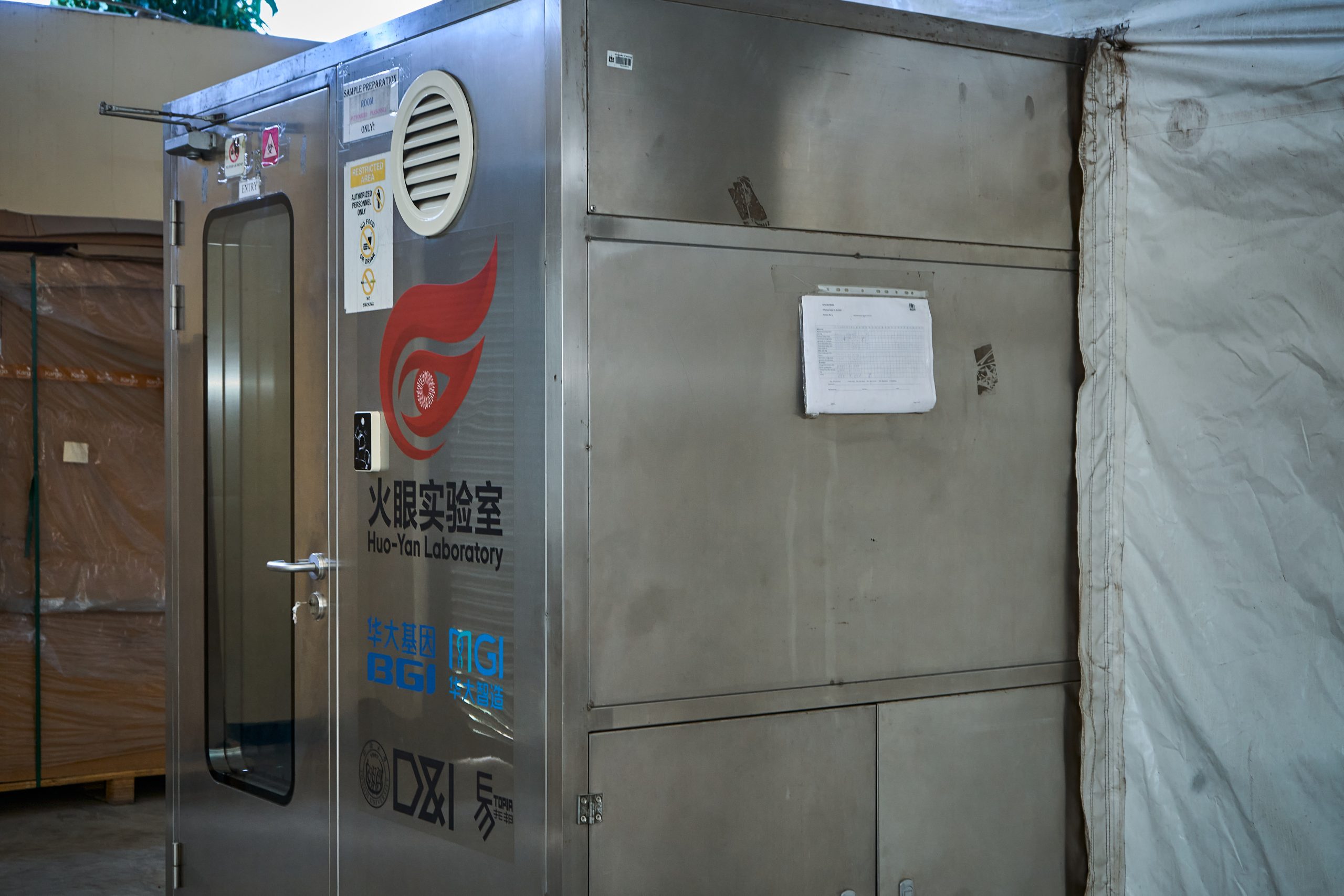
Through the training, laboratory scientists from NIMR and NPHL gain hands-on skills in key sequencing processes including nucleic acid extraction, 16S/ITS sequencing, bioinformatics analysis, and interpretation of sequencing results.
The training also supports the development of standardised laboratory workflows and Standard Operating Procedures (SOPs) to facilitate the sustainable application of genomic sequencing technologies in disease surveillance activities.
The enhanced capability will enable NIMR and NPHL to detect a broader range of pathogens including those that may remain unidentified through conventional diagnostic methods. This will contribute to improved infectious disease surveillance, evidence-based public health decision-making, and enhanced preparedness for emerging disease threats.
Testing of samples from AFI and ARI will be conducted during Phase I at NPHL and Phase II at NIMR.



Lorem ipsum dolor sit amet, consectetur adipiscing elit. Ut elit tellus, luctus nec ullamcorper mattis, pulvinar dapibus leo.