The National Institute for Medical Research (NIMR) is leading ethical oversight in a new multicountry clinical trial investigating whether probiotics can enhance the protection provided by rotavirus vaccination and reduce diarrhoeal disease among children. This approach could also help reduce antibiotic exposure and contribute to efforts to address antimicrobial resistance (AMR).
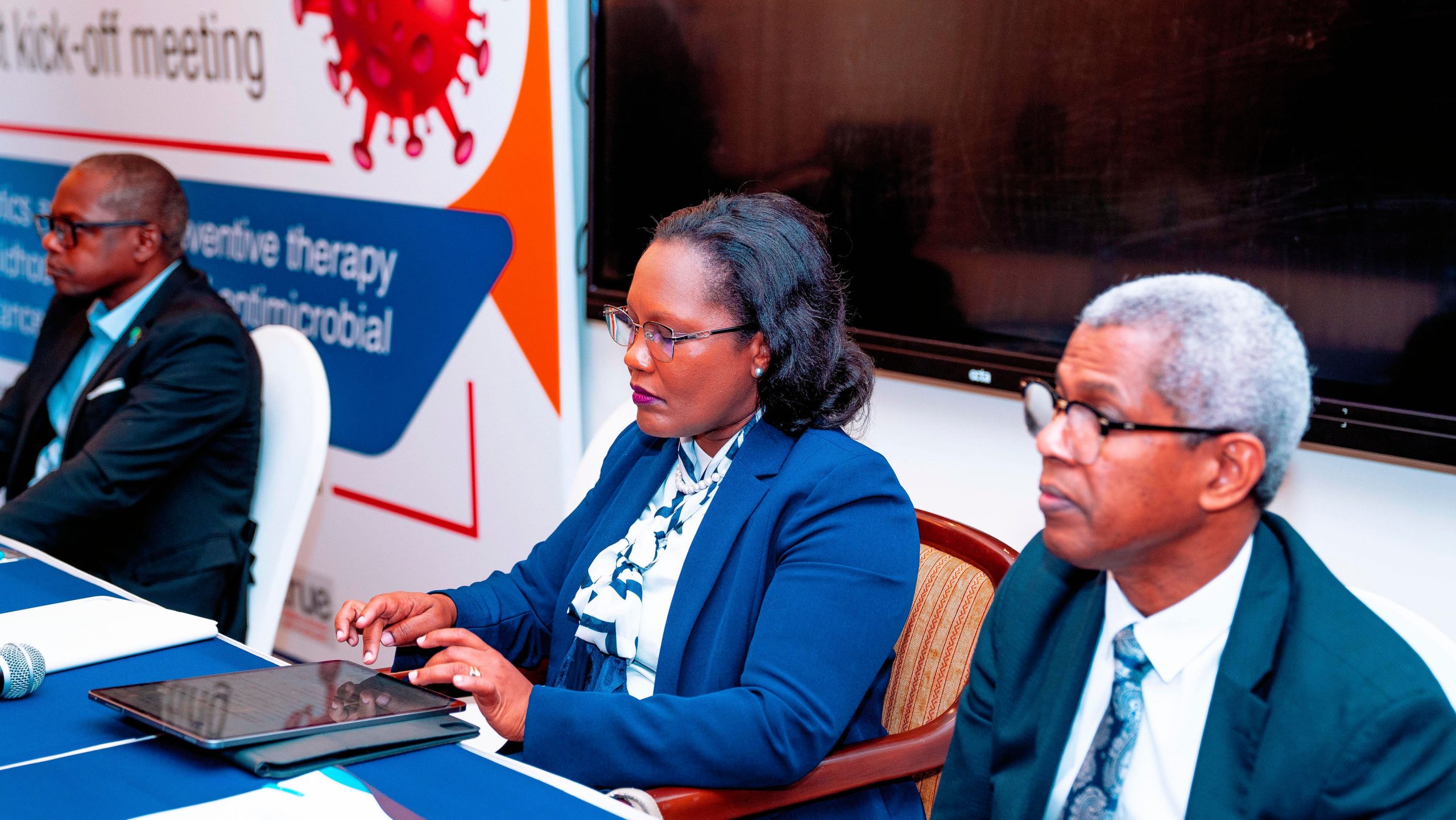
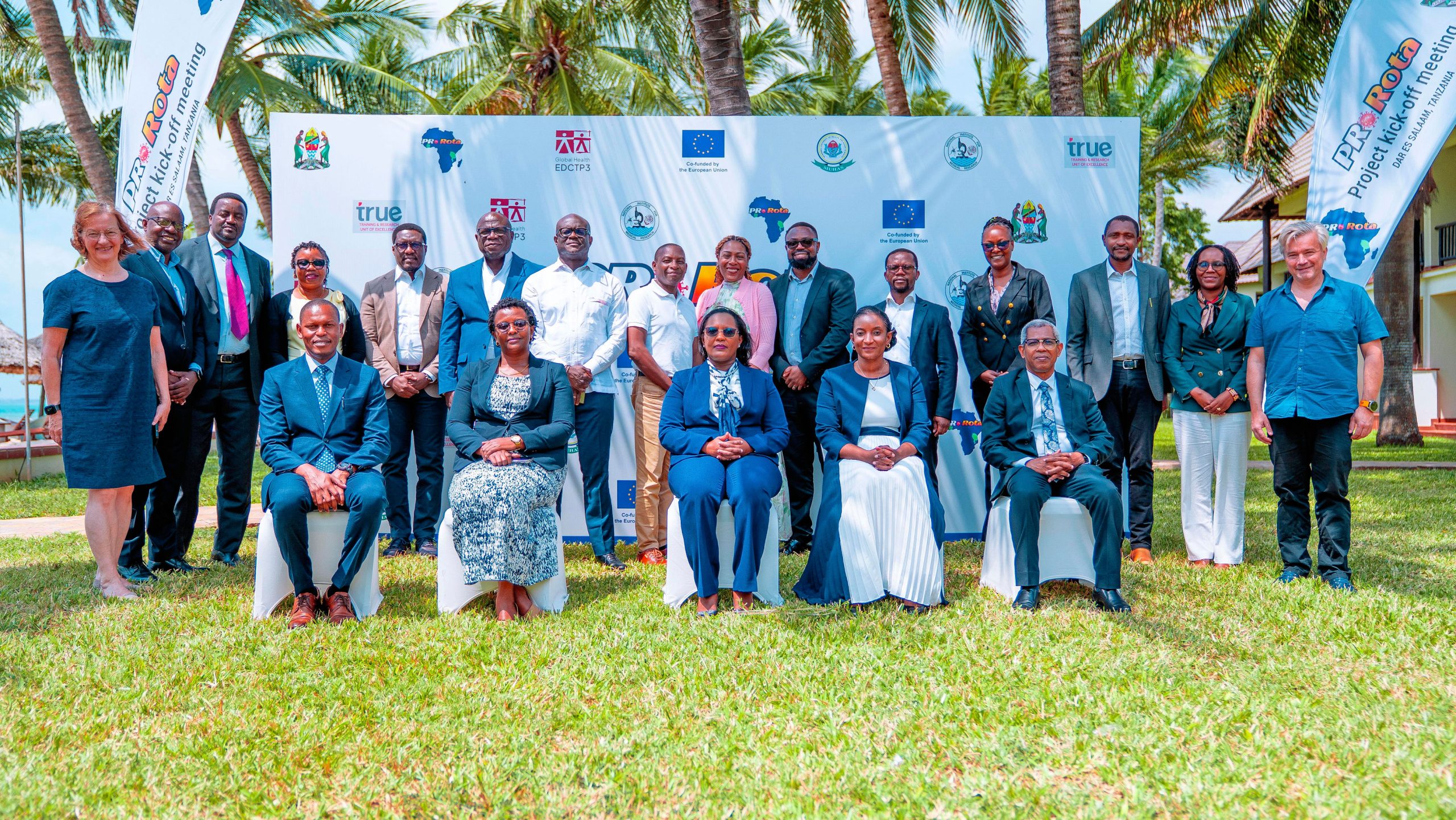
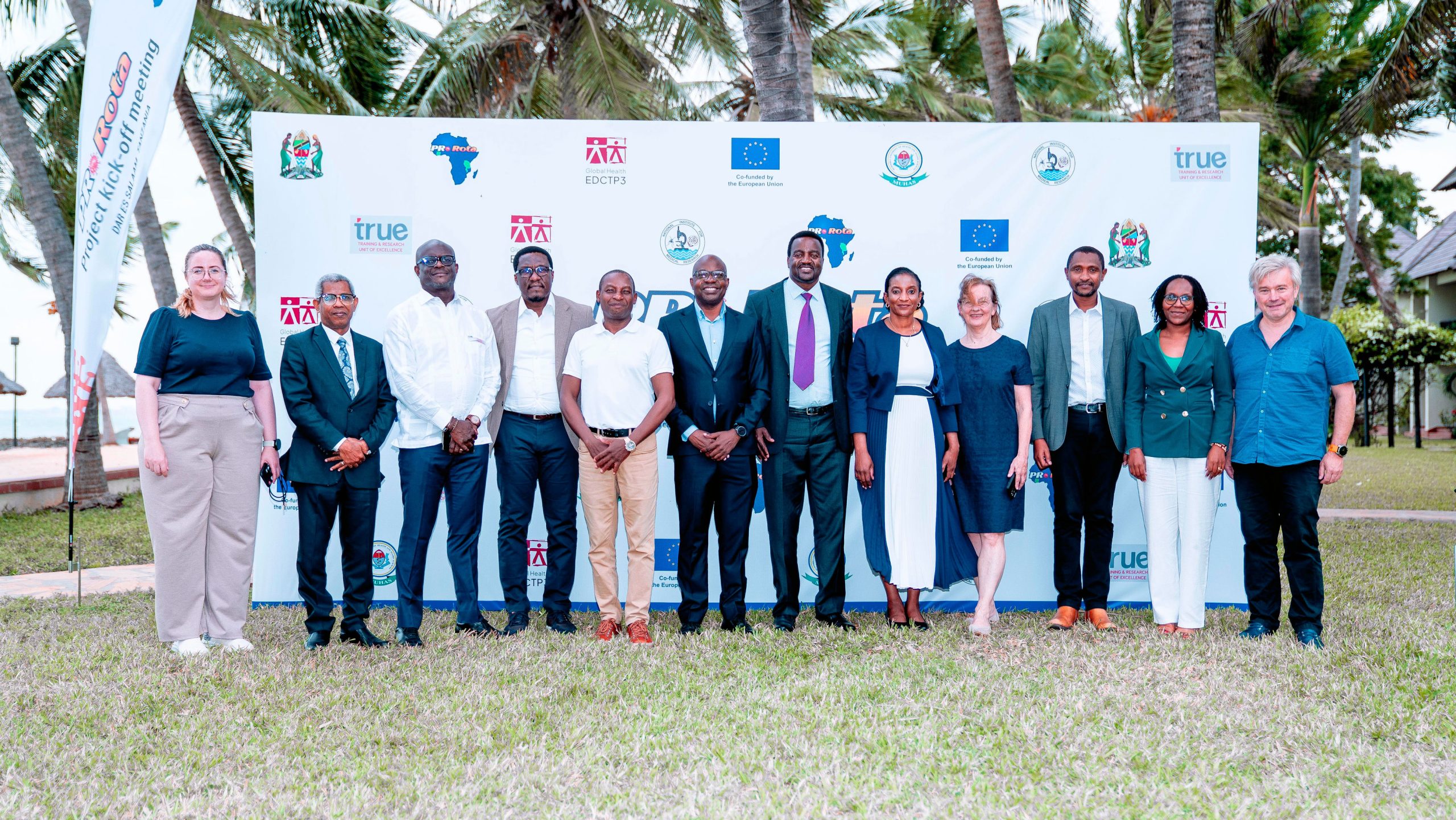
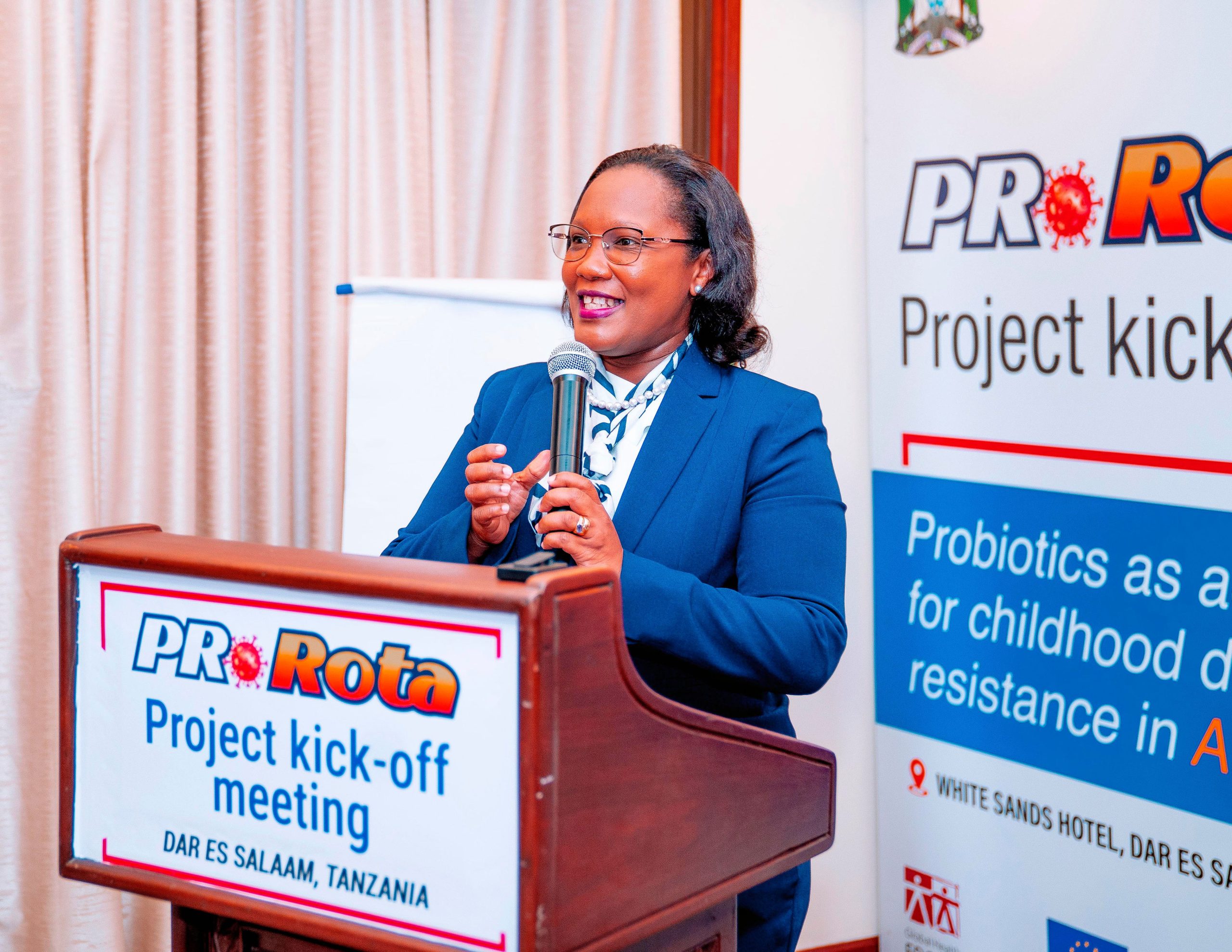
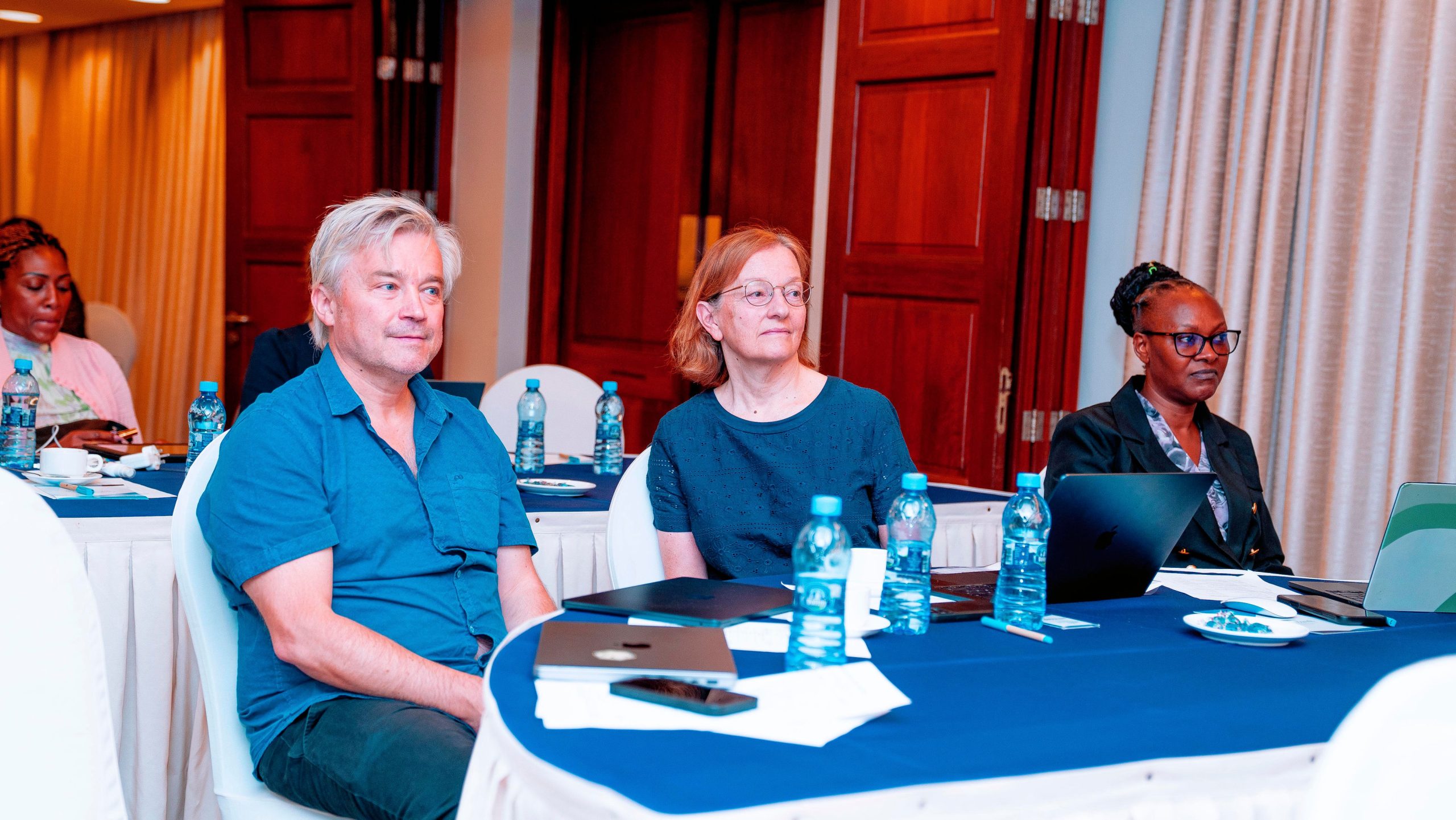
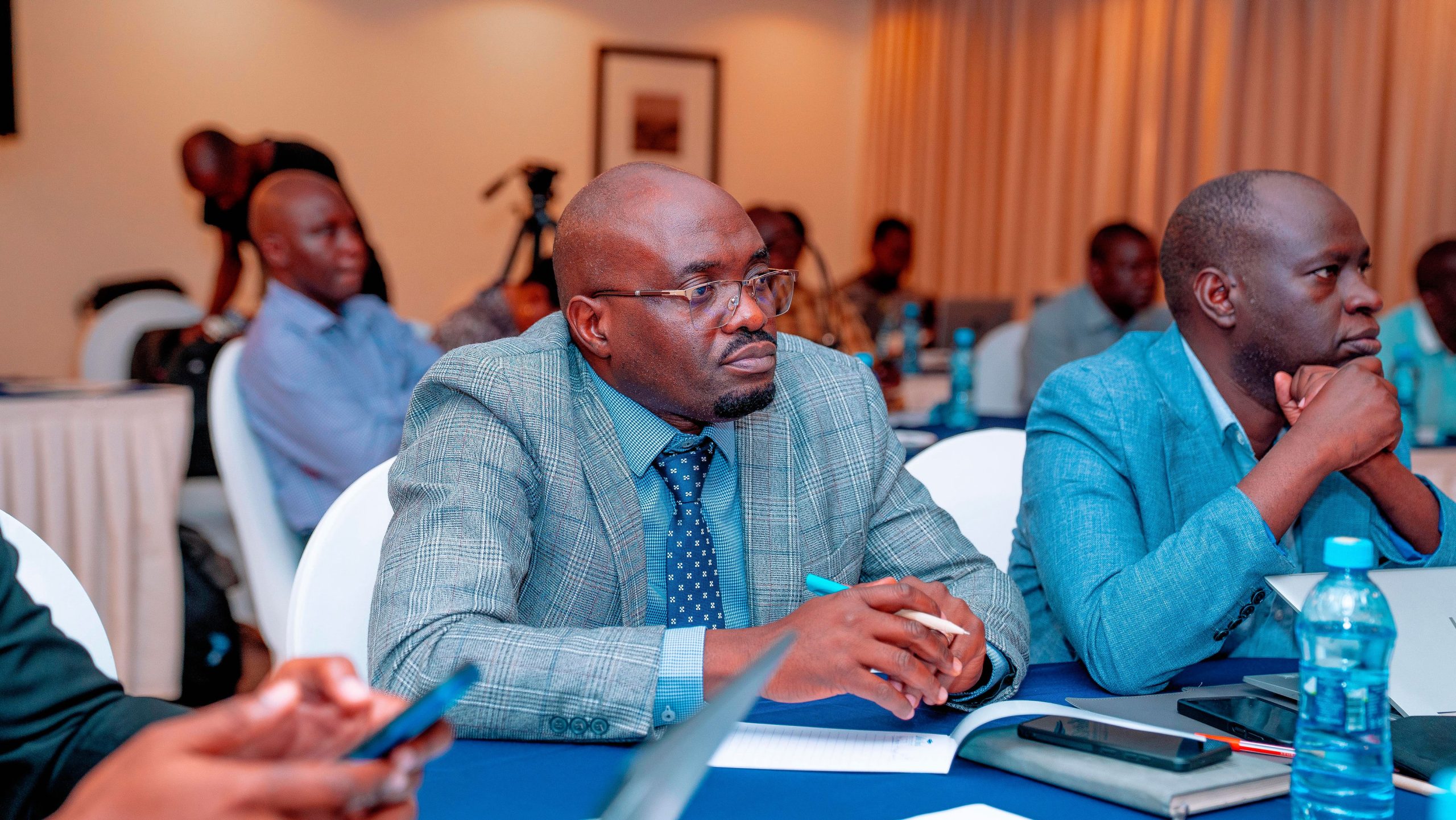
The PRoRota Clinical Trial was launched in Dar es Salaam on 18th August 2026 by Muhimbili University of Health and Allied Sciences (MUHAS), in collaboration with NIMR and partners from Tanzania, Malawi, Côte d’Ivoire and Norway. The two-day kick-off meeting, held at White Sands Hotel, brought together researchers and partners from microbiology, infectious diseases, epidemiology, health economics, social sciences and public health.
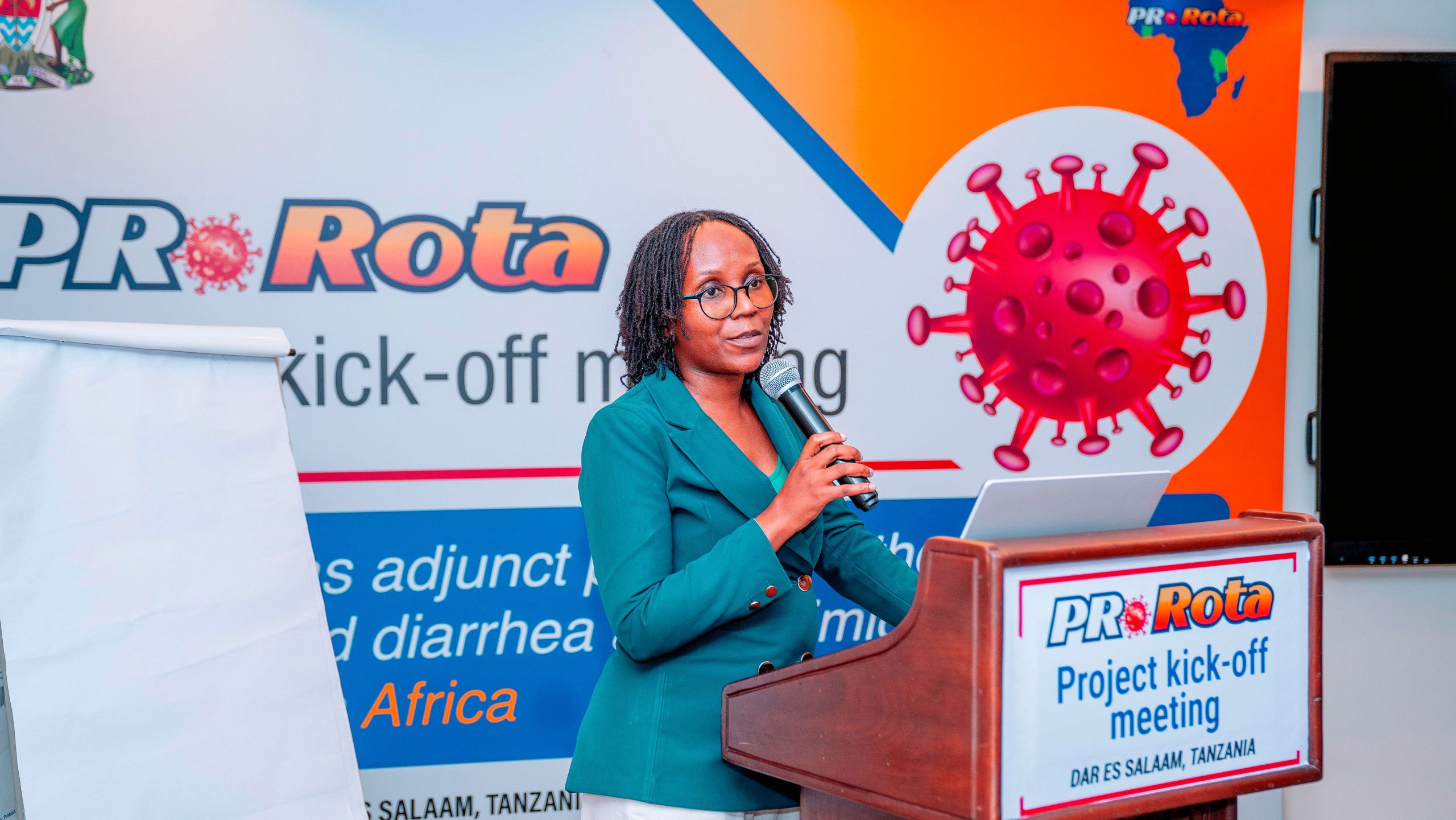
Speaking at the meeting, the Guest of Honour, Prof. Tumaini Nagu, Deputy Permanent Secretary in the Prime Minister’s Office responsible for Health, said childhood diarrhoeal diseases remain an important and preventable cause of illness and death among children. She highlighted the importance of research such as PRoRota in generating evidence on whether probiotics can strengthen the effectiveness of rotavirus vaccination, reduce diarrhoeal disease and potentially reduce antibiotic exposure and AMR.
NIMR plays a key role in the consortium, including leading the Ethics Work Package to support ethical conduct and protection of infants that will participate in the trial across the three African countries. NIMR will also coordinate the project’s independent ethics oversight and Data Safety Monitoring Board. In addition, NIMR will co-lead the formative, acceptability and feasibility research, which will generate evidence on caregivers’, healthcare providers’ and other stakeholders’ perspectives and experiences to inform trial implementation and the potential future integration of probiotics into routine childhood immunization programmes.
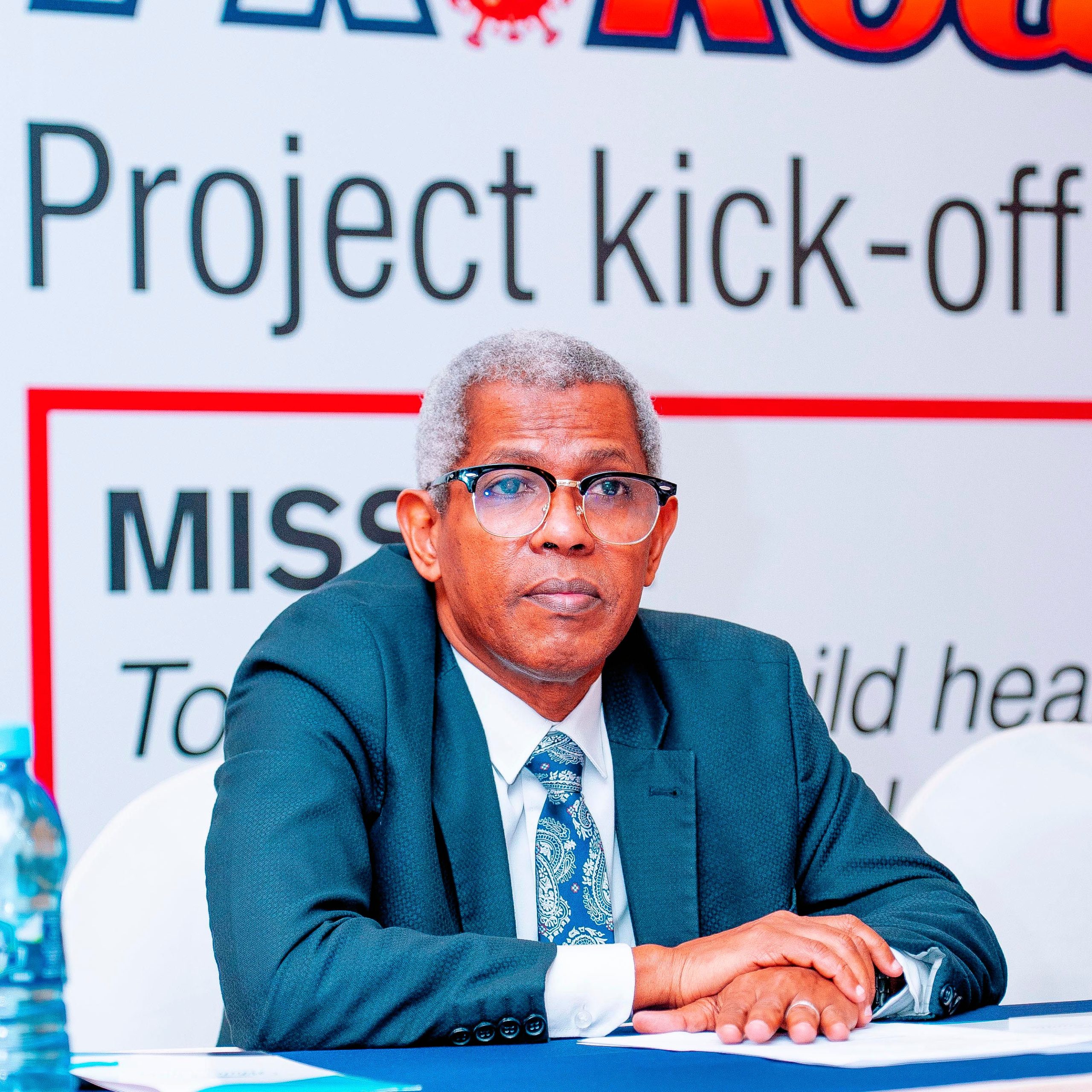
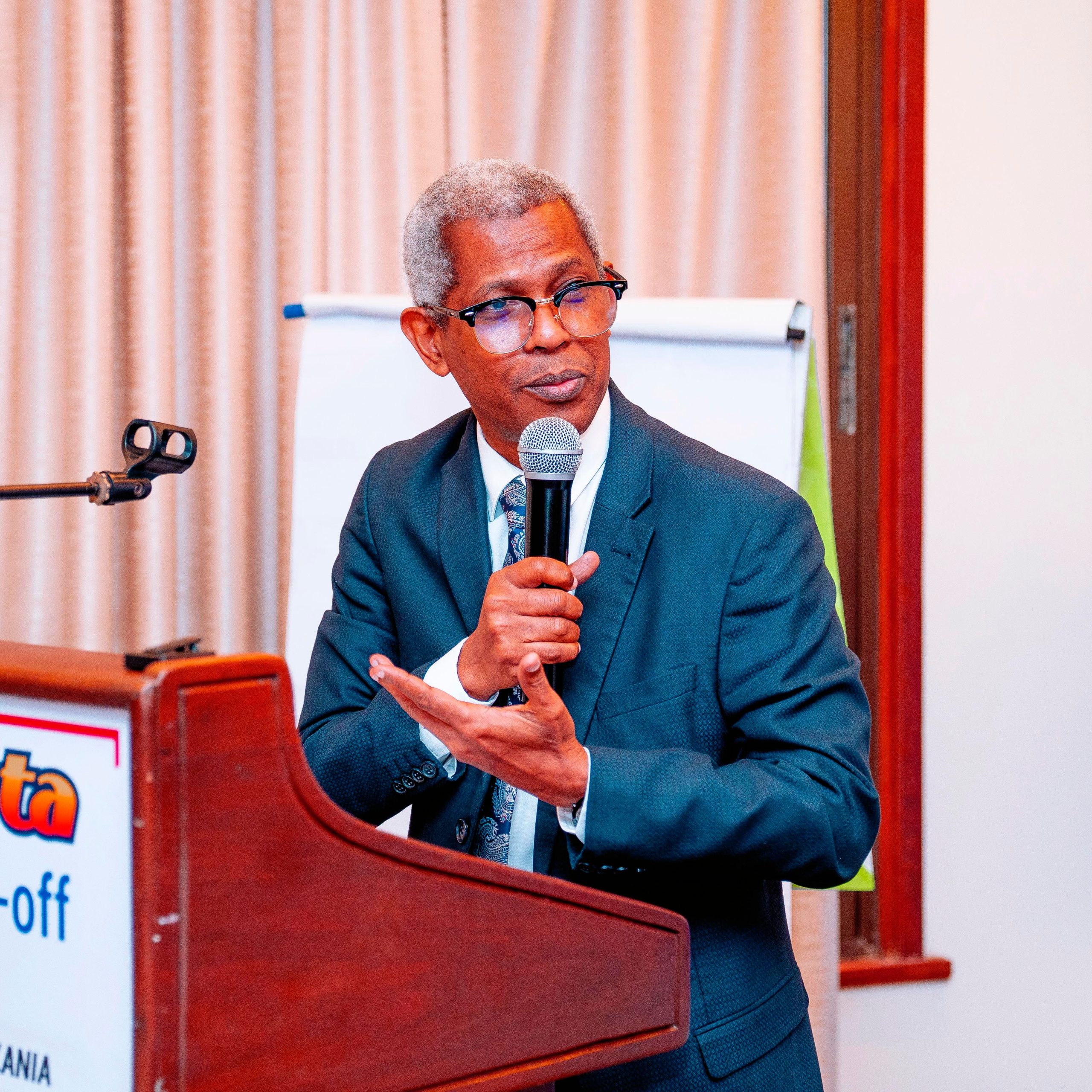
During opening remarks, the Director General Prof. Said Aboud reaffirmed NIMR commitment to ensuring that the trial is conducted in accordance with high ethical and scientific standards. He said the Institute will work closely with consortium partners to generate evidence that can contribute to improved prevention of childhood diarrhoeal diseases and inform future health decisions. The research will help establish not only whether the intervention works, but also how it may be received by caregivers and healthcare providers and if it can be implemented within participating healthcare systems.
Childhood diarrhoeal diseases remain an important public health concern, while antibiotic use in managing infections adds to the broader challenge of AMR. By examining whether probiotics can strengthen the protection provided by rotavirus vaccination and potentially reduce antibiotic exposure, PRoRota seeks to generate evidence that could inform future approaches to childhood disease prevention and vaccination across the participating countries.
Lorem ipsum dolor sit amet, consectetur adipiscing elit. Ut elit tellus, luctus nec ullamcorper mattis, pulvinar dapibus leo.